Mount Kilimanjaro

Africa’s Highest Adventure
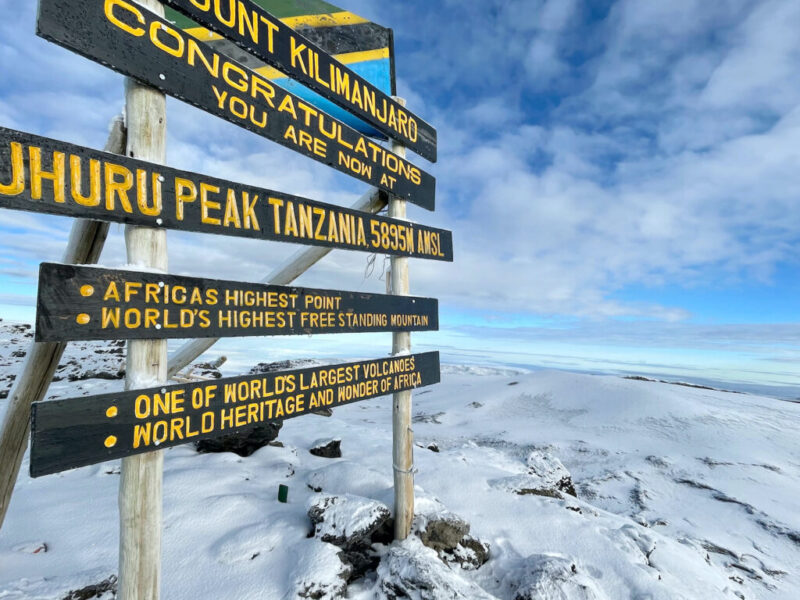
Mount Kilimanjaro rises proudly above the African plains in northern Tanzania, it towers 5,895 meters above sea level. Unlike many other mountains, Kilimanjaro is a free-standing volcano. Here, you won’t need climbing gear or ropes. Therefore, you just need strong legs, good shoes, and determination.
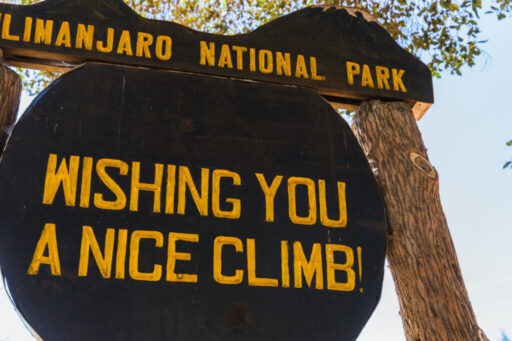
A Mountain with Many Faces
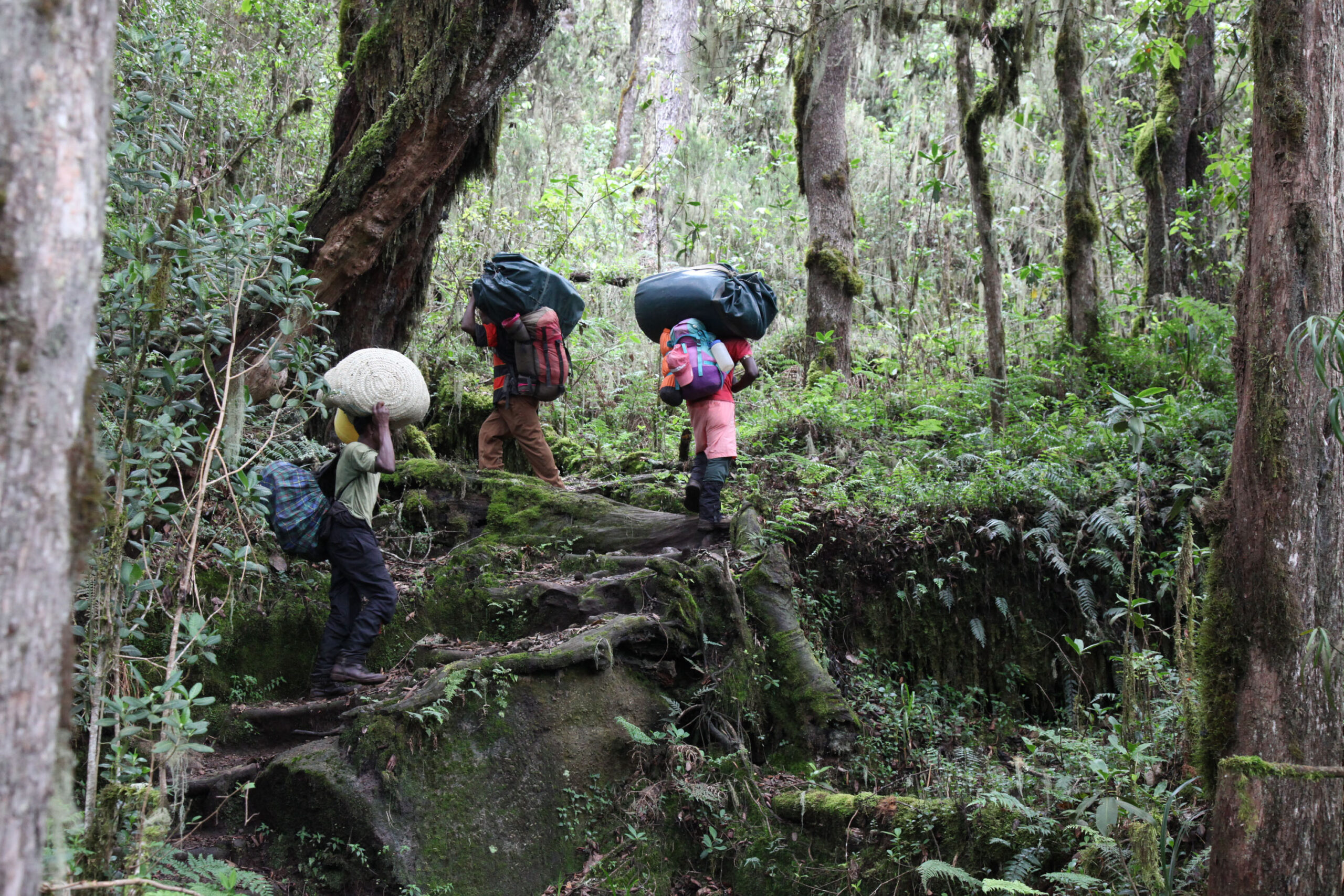
First, you walk through lush rainforest, where monkeys chatter overhead, and birds sing all around. Meanwhile, the trail feels warm and humid.
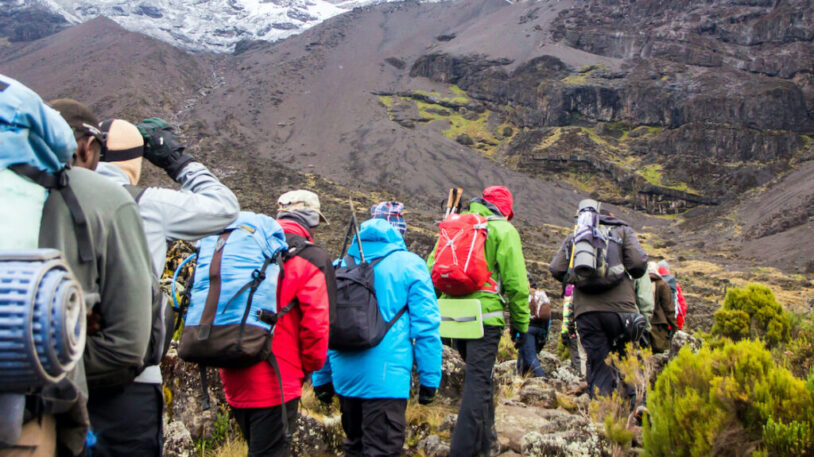
Next, the forest fades. Moorland begins with strange plants and cooler air. After that, you reach rocky alpine desert.
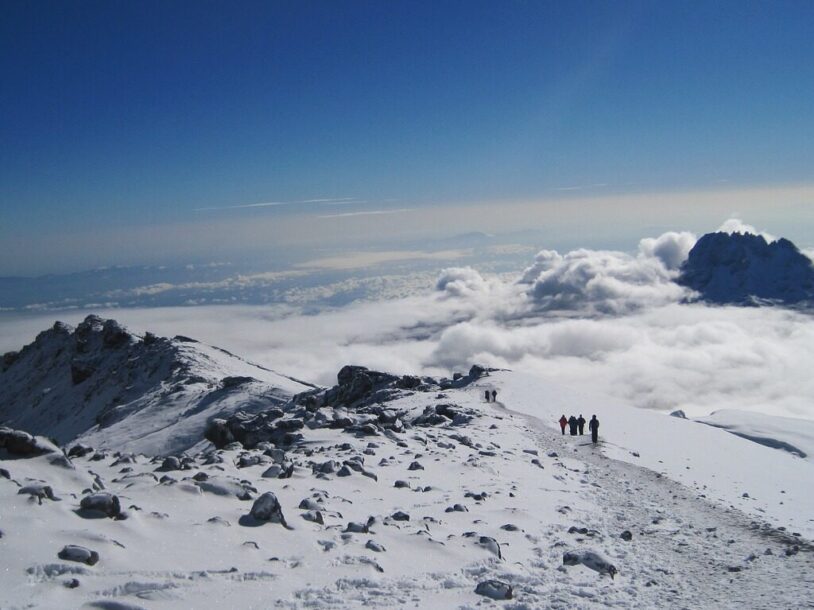
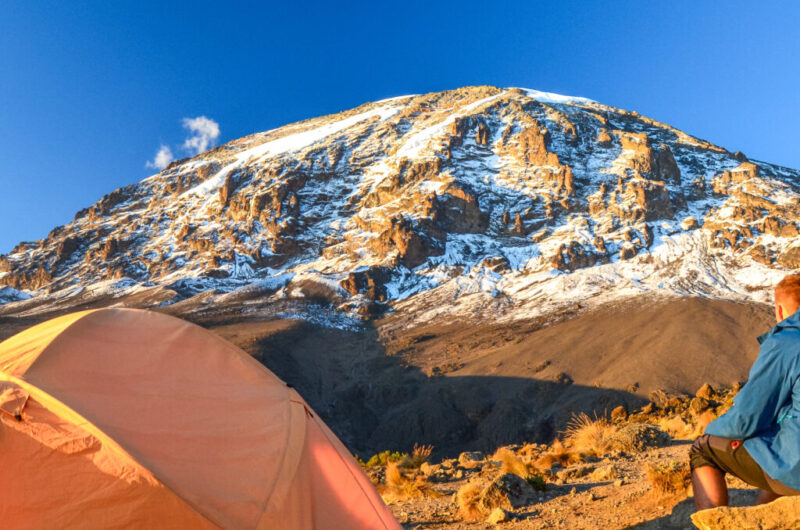
Finally, you climb to arctic-like heights where snow and ice cover the summit. In just a few days, you experience all the mountain’s climate zones..
Climate on Mount Kilimanjaro
Kilimanjaro’s climate changes fast.
-
At the base (600–1,800m): Expect warm temperatures between 20–30°C.
-
Rainforest zone (1,800–2,800m): Humid and wet, especially during rainy seasons.
-
Moorland (2,800–4,000m): Cooler, with temperatures from 10–15°C during the day.
-
Alpine desert (4,000–5,000m): Cold, dry, and windy. Nights drop below freezing.
-
Summit zone (5,000m+): Arctic temperatures. It can drop to -15°C or lower at night.
Therefore, bring layers. One day feels like summer. Moreover, the next, you may freeze.
Choose Your Route
There are several trekking routes. Yet each offers something unique.
-
Marangu Route: The only route with huts. Therefore, t’s comfortable and popular.
-
Machame Route: Steeper and, moreover, scenic, perfect for photographers.
-
Lemosho Route: Quieter, longer, and additionally, perfect for acclimatization.
-
Rongai Route: Starts from the north, however, it’s less crowded and dry.
Ultimately, each path leads to the same breathtaking summit—Uhuru Peak.
Wildlife on the Slopes
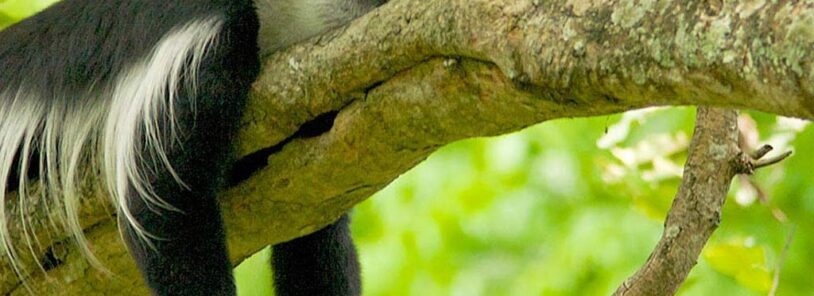
While climbing, you may spot colobus monkeys, blue monkeys, or even buffalo. At the same time, birdwatchers will delight as sunbirds and hornbills dart through the forest.
As you climb higher, animals disappear. However, the silence and stars will keep you company.
When to Go
You can climb Kilimanjaro year-round. But the best times are:
-
January to March: Clear skies and fewer people.
-
June to October: Dry, busy, and perfect for photos.
-
April, May, November: Rainy season. Then, trails get muddy and slippery.
A Challenge Worth Taking
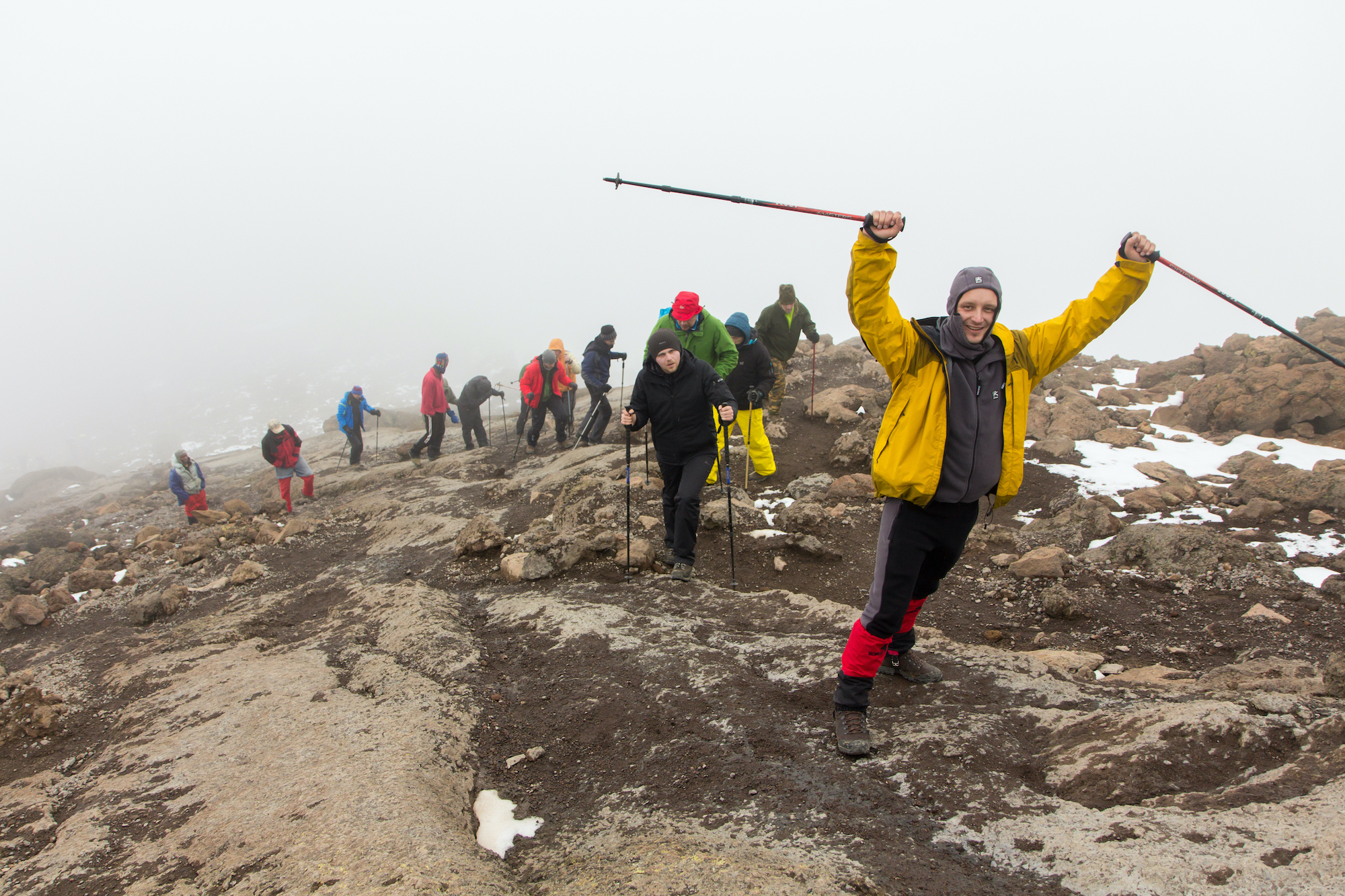
Climbing Kilimanjaro requires courage rather than climbing skills. First, you walk, then you breathe deeply, and all the while, you keep going.
With every sunrise, every laugh, and every step, you move closer.
Finally, you reach the summit. And truly, it’s worth it.