Senegal

Senegal welcomes you with color and rhythm
Senegal bursts with color, rhythm, and warmth. From Dakar’s energy to Djoudj’s quiet wetlands, it has something for everyone. First, dive into Senegal’s rich heritage. Islamic tradition, French colonial roots, and community spirit shape its vibrant identity. Next, feel the music. Hear djembe drums, kora strings, and Mbalax rhythms made famous by stars like Youssou N’Dour.
Then, explore Saint-Louis. Stroll among colonial buildings, visit art galleries, and feel the echoes of the past. Afterward, head to Dakar. This modern capital offers fashion, nightlife, and powerful landmarks like the African Renaissance Monument.
Importantly, visit Gorée Island. Just off the coast, this UNESCO site reveals deep truths about the transatlantic slave trade. The House of Slaves tells a moving story. It’s a place of remembrance, reflection, and humanity’s strength.
Whether you love culture, wildlife, or history, Senegal promises experiences that stay with you — long after the journey ends.

Wildlife, waves, and warm welcomes—Senegal’s got more soul than your playlist!

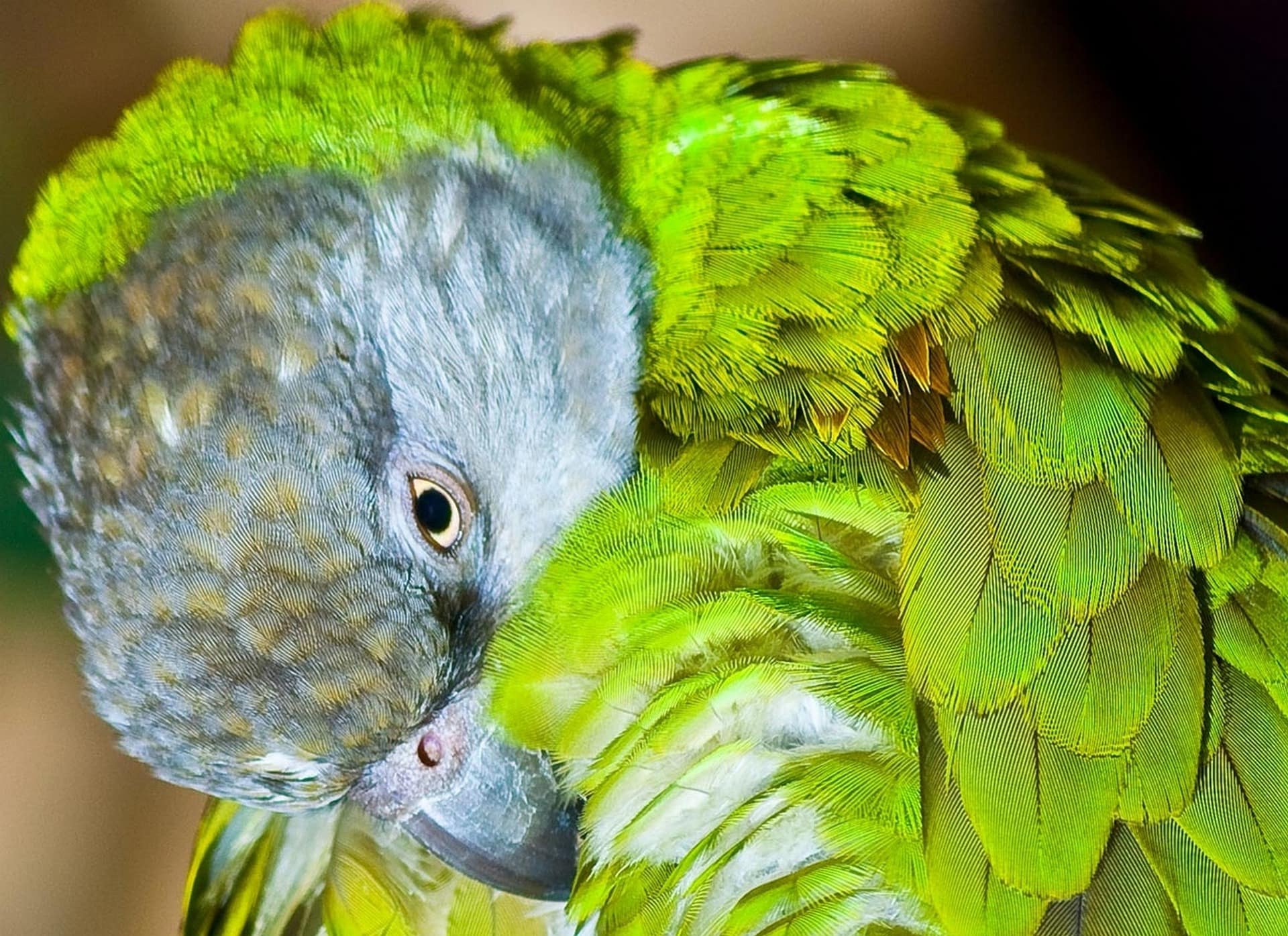
Wildlife & National Parks of Senegal
Senegal boasts a range of diverse landscapes, from wetlands and savannahs to coastline and desert. Several national parks and reserves provide incredible opportunities for wildlife viewing and birdwatching:
-
Niokolo-Koba National Park (UNESCO World Heritage Site) is one of West Africa’s most important conservation areas. It’s home to lions, leopards, antelopes, hippos, and rare chimpanzees.
-
Djoudj National Bird Sanctuary, located in the Senegal River delta, is one of the world’s most significant bird sanctuaries, sheltering over a million migratory birds including flamingos, pelicans, and herons.
-
Langue de Barbarie National Park, near Saint-Louis, is a haven for nesting turtles and migratory birds and offers peaceful canoe trips through mangroves.
You can also encounter hyenas, warthogs, crocodiles, monkeys, and more in various reserves throughout the country.
Things to Do in Senegal’s Port Cities
-
Dakar: Senegal’s bustling capital and a key cruise ship port. Explore vibrant markets like Marché Sandaga, relax on the beaches of Yoff and N’Gor, or visit the Village des Arts to meet local artists. From Dakar, you can also visit Gorée Island, or take a boat to nearby N’Gor Island for swimming and seafood lunches.
-
Saint-Louis: Once the capital of French West Africa, this charming city features colonial architecture, jazz music, and riverfront cafés. It’s also the gateway to the Djoudj Bird Sanctuary.
-
Ziguinchor (in Casamance): A lush, tropical region with strong cultural traditions, ideal for exploring rural villages, rivers, and eco-tourism experiences. Casamance is also known for its peaceful beaches, traditional Diola villages, and mangrove adventures.

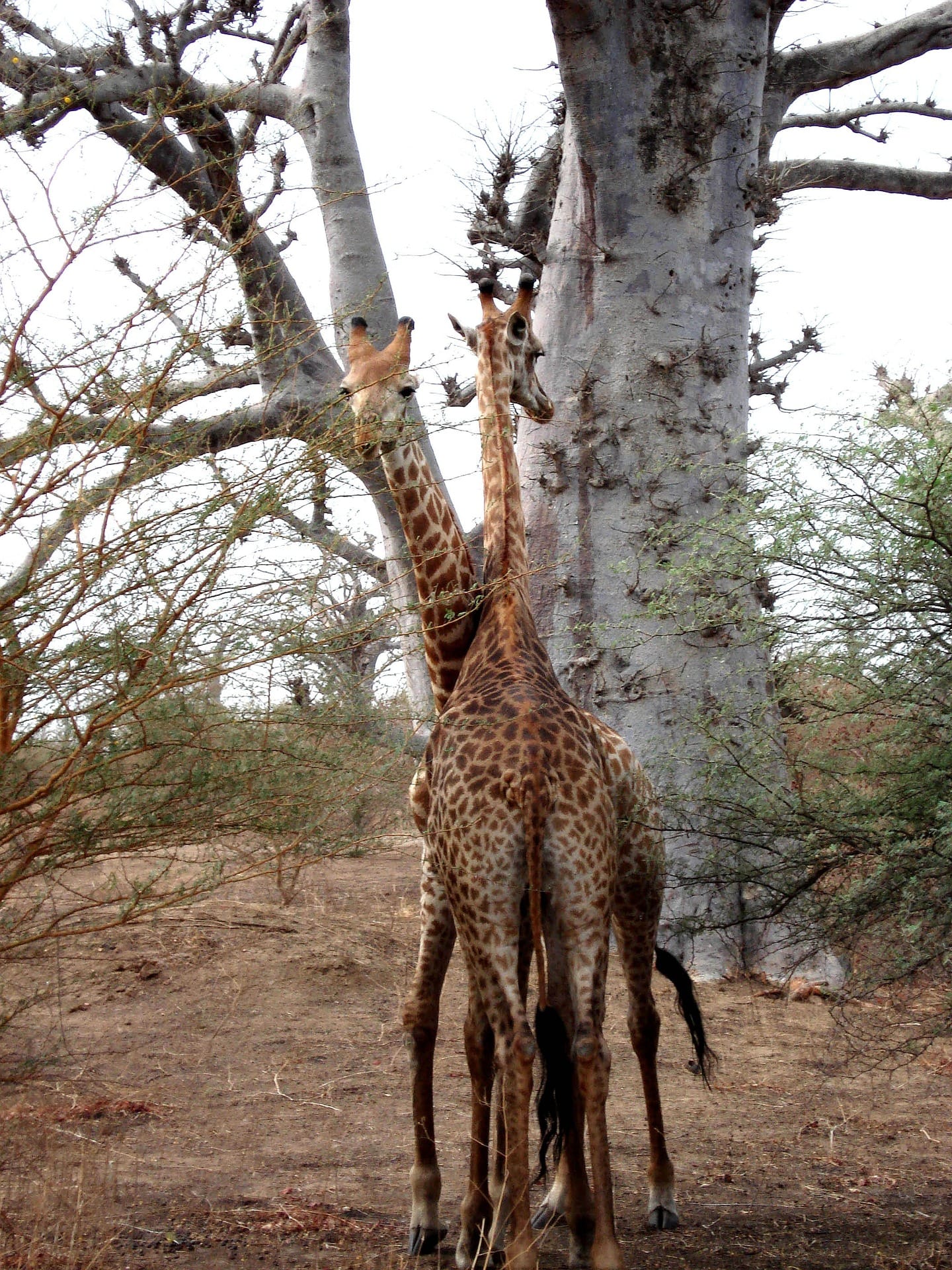
From Desert to Delta: A Journey Through Senegal
Whether you’re watching flamingos dance across a salt lagoon or exploring the historic streets of Saint-Louis, Senegal welcomes you. Then, as the sun sets, let the rhythm of drums guide you under a starlit sky.
The people are warm. The food is full of flavor — especially thieboudienne, Senegal’s beloved national dish.
Above all, every experience here is rich with soul, color, and deep-rooted history.
2 famous dishes of Senegal
Jollof: the rice that starts wars—of taste, of course!
This West African superstar is more than a dish; it’s a cultural obsession. Picture fluffy rice simmered in a rich tomato and pepper sauce, spiced to perfection, and often loaded with onions, veggies, or juicy meat. The result? A slightly smoky, totally addictive flavor bomb.
From Senegal to Nigeria to Ghana, everyone claims theirs is the best. (Warning: do not bring this up at a dinner table unless you’re ready for a very passionate debate.)
Jollof isn’t just food. It’s pride. It’s joy. It’s serious business served with a side of sass.
Thieboudienne: the dish that rules Senegal’s kitchen like a queen in heels
Pronounced cheh-boo-jen (or just “heaven” if you’re too hungry to speak), this national treasure is a bold, beautiful plate of rice cooked in tomato sauce, served with marinated fish and a colorful pile of veggies like carrots, cabbage, and cassava.
It’s not just food—it’s a full event. The pot is big, the flavors are bigger, and when it’s ready, everyone shows up. It’s spicy, soulful, and totally unforgettable.
Planning to leave Senegal without trying thieboudienne? Think again. That would be like skipping pizza in Naples—or worse, insulting someone’s grandma.