Tanzania Safari Costs – What You Really Pay & Why
Our safaris are tailor-made for every age and we also offer special accessible wheelchair-friendly tours for travellers with disabilities
Tanzania Safari Costs– What You Really Pay & Why is one of the first questions travellers ask when planning their dream African adventure. Many assume that all safaris are extremely expensive, but the reality depends on many factors. Knowing what drives the cost of a safari in Tanzania helps you plan a trip that fits your budget and travel style.
From budget-friendly group tours to exclusive private safaris, Tanzania offers a wide range of options. Your final price depends on the parks you visit, the accommodation level, travel season, transportation, and optional activities. Every choice affects the total cost, as well as the quality and uniqueness of your experience.
What Determines the Cost of a Safari in Tanzania?
Several key factors determine the cost of a safari in Tanzania. Understanding these helps you see what each dollar pays for.
1. Type of Safari and Itinerary
Private safaris cost more than group tours because they offer exclusive 4×4 vehicles, flexible itineraries, and personal guides. Longer itineraries or trips that visit multiple parks, such as Nyerere, Serengeti, and Gombe, increase costs due to extra transport, park fees, and accommodation.
2. Accommodation Level and costs
Accommodation ranges from budget campsites to luxury lodges. Budget camps provide basic tents and shared facilities. Tented camps offer more comfort, including private bathrooms and furnished tents. Lodges located inside park boundaries also pay concession fees, which allow them to operate legally within protected areas.
3. Camping, Special Camp, and Lodge Fees in the Parks
It is important to note that camping fees, special camp fees, and lodge concession fees are charged separately in each park you visit. Budget camping fees cover basic tent sites and shared facilities. Special camp fees apply to tented camps inside the parks, offering extra comfort. Lodge concession fees are required for lodges operating within park boundaries. These fees are separate from your accommodation cost and are part of what makes up the overall safari price.
4. Season and Travel Timing Costs
The time of year strongly affects safari prices. High season – July to September for the Great Migration or January to March for the southern migration – usually comes with higher demand and higher costs. Traveling in the low season can save money but may include heavier rains, which can affect road conditions in remote parks like Nyerere.
5. Location and Park Access
Remote parks, such as the Serengeti or Nyerere National Park, require extra fuel, longer drives, or boat transfers, adding to the total price. Every park charges entrance fees, which are paid separately from accommodation.
6. Optional Activities – add-on cost of a safari
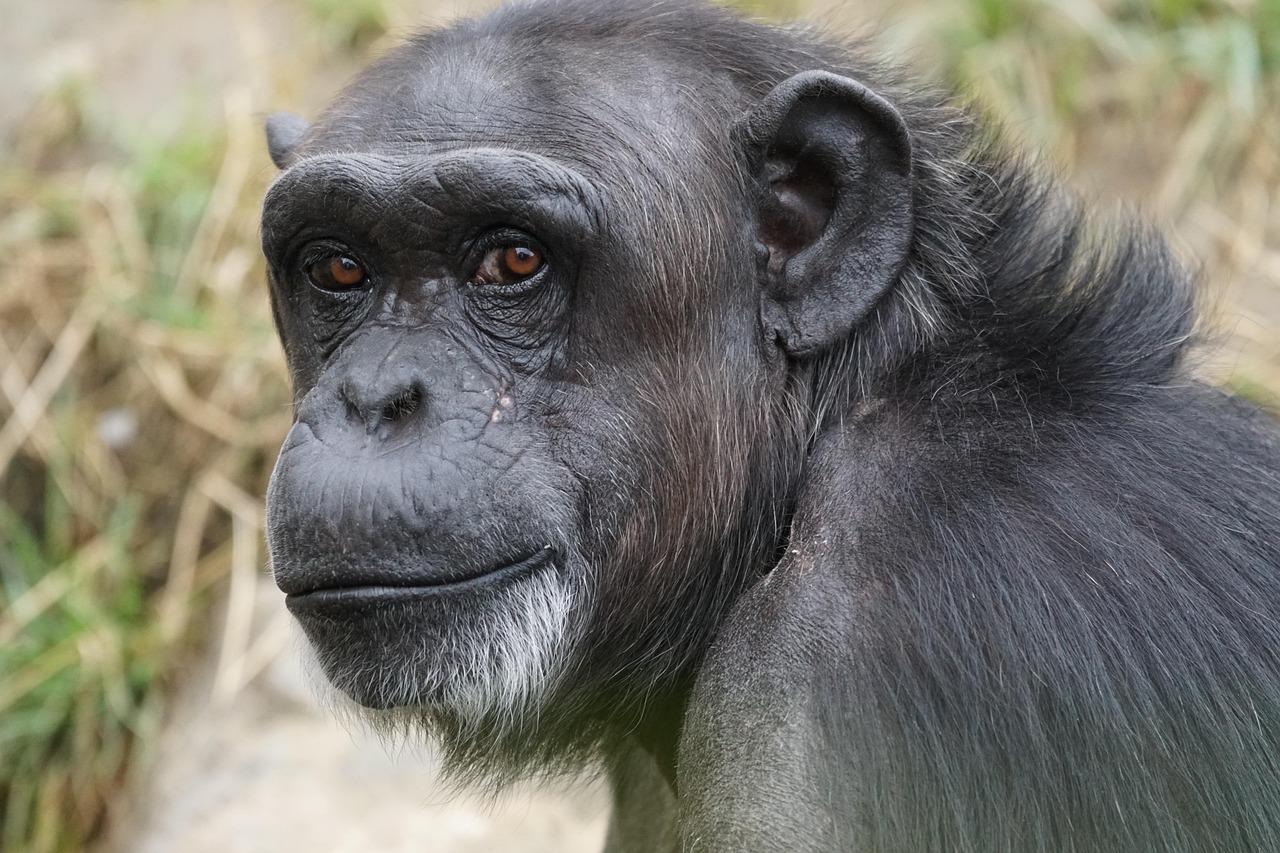
Optional experiences, including chimpanzee trekking in Gombe, balloon flights, guided walking safaris, boat trips on the Rufiji River, or Maasai village visits, all add to the cost of a safari in Tanzania. They are optional but greatly enhance your safari experience.
7. Transportation Choices & cost
The way you move between parks also affects cost. Private 4×4 vehicles, overnight trains, or charter flights cost more than standard buses or shared transport. However, private transport allows flexibility, comfort, and access to quieter areas rich in wildlife.
Budget vs Luxury Safaris in Tanzania
When considering the cost of a safari in Tanzania, the level of comfort you choose plays a major role. Safaris range from budget options to luxurious experiences, and each has a different impact on the total price.
Budget Safari Costs and Experiences
Budget safaris are ideal for travelers looking to experience Tanzania without overspending. These safaris typically include:
-
Shared 4×4 vehicles with other travelers
-
Budget campsites inside the parks, with camping fees included
-
Simple meals and basic amenities
Even though budget safaris are more affordable, they still provide excellent wildlife viewing opportunities and access to the most iconic parks. Many budget options still include guided game drives, boat trips, and cultural visits, making them an excellent value for money.
Mid-Range Safaris
Mid-range safaris offer a balance between comfort and affordability. These usually include:
-
Private or semi-private vehicles
-
Tented camps with private bathrooms and furnished tents (special camp fees apply)
-
Some additional guided activities and flexibility in the itinerary
Mid-range safaris allow you to enjoy a more comfortable experience while still keeping the overall Tanzania safari cost reasonable.
Luxury – Benefits and Cost of a Safari
Luxury safaris provide the highest level of comfort and exclusivity. They typically include:
-
Private 4×4 vehicles or charter flights between parks
-
Lodges inside park boundaries with concession fees included
-
Gourmet meals, private guides, and exclusive access to remote wildlife areas
-
Tailor-made itineraries with options for special experiences, like walking safaris or private boat trips
Luxury (honeymoon) safaris are significantly more expensive than budget options, but the added comfort, privacy, and wildlife encounters often justify the higher price.
💡 Tip: Regardless of your choice, understanding what contributes to the cost of a safari in Tanzania (or another African country) – from park fees to accommodation and transport – eSafari Africa helps you plan a trip that fits both your budget and your dream experience.
| Safari Type | Price per person per day |
|---|---|
| Budget Safari | $170 – $300 |
| Mid-range Safari | $250 – $500 |
| Luxury Safari | $400 – $1000+ |