Big Five vs The Ugly Five
The Big Five vs The Ugly Five is a catchy way to frame African wildlife. The contrast sounds harsh. Yet it works as a hook, because people remember categories.
The Big Five
First, The Big Five vs The Ugly Five starts with the Big Five: lion, leopard, elephant, rhino and buffalo. This list was not born from beauty but from difficulty. Hunters feared these animals because they were risky to approach on foot. Later, tourism reused the label. As a result, the Big Five became a bucket-list trophy for cameras instead of guns.
The Ugly Five
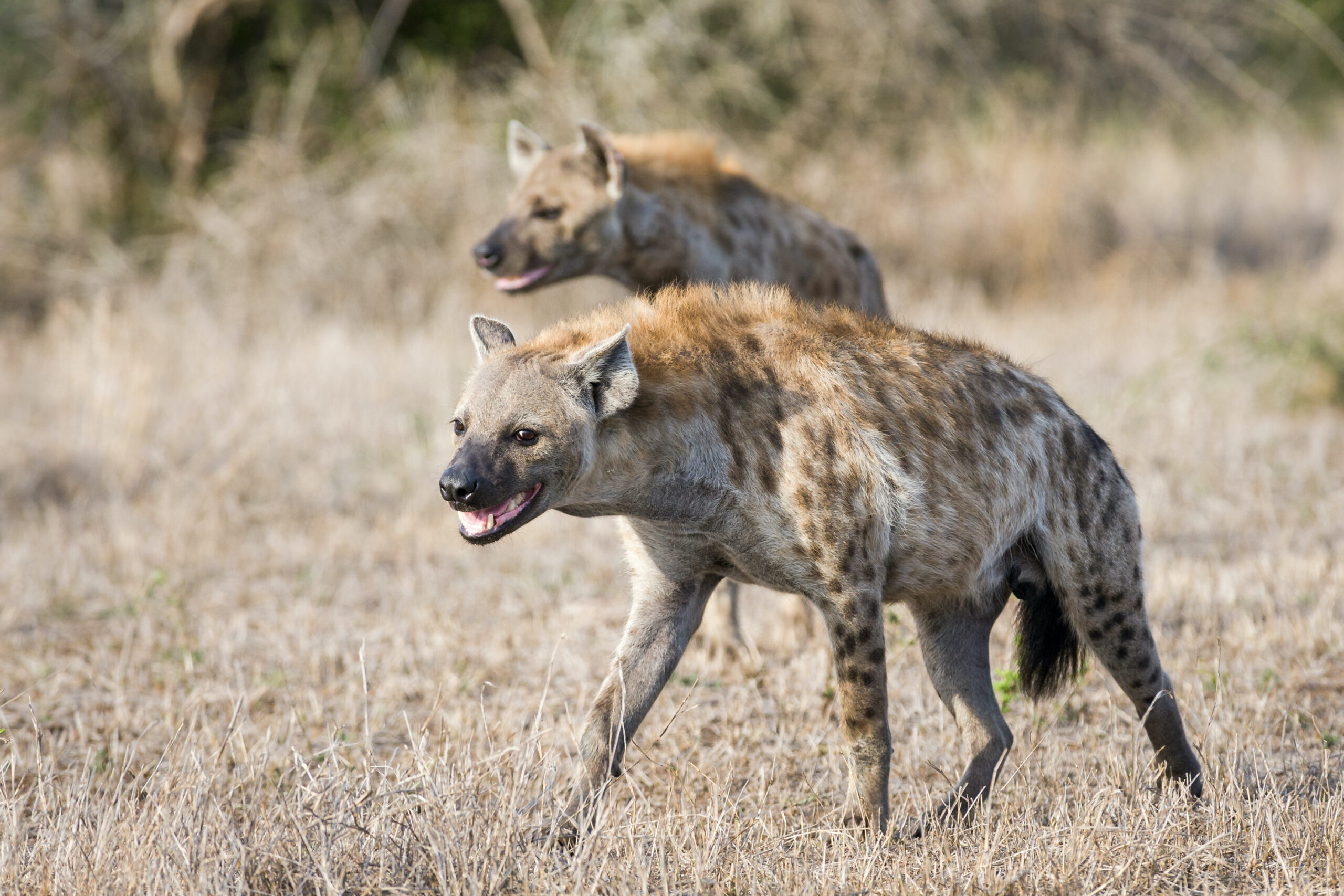
Then, The Big Five vs The Ugly Five introduces its opposite set: wildebeest, warthog, hyena, marabou stork and vulture. These animals look odd, and therefore they get mocked. Their bodies seem built by accident. Their behaviour feels clumsy against the grace of cats and elephants. Yet this is the twist. The Ugly Five are not cosmetic failures. They are functional pillars.
If there is a face built to unsettle, it is the crocodile. The head looks ancient and unfinished, as if design stopped at “functional”. The smile is a row of knives that never close. The eyes sit like cold sensors above the waterline. And the movement is not elegant — it is ambush distilled to one violent burst. Yet the “ugliness” is deceptive. Crocs are time-proof engineers. They clean rivers by removing weak and dying animals. They turn chaos into order by controlling who drinks and when. They have survived unchanged because they were already perfect at their job. Ugly in form, flawless in purpose.
The beauties in their own right
Charisma in African wildlife runs wider than one famous list. Gorillas carry a slow and deliberate intelligence that disarms people without a roar. Their eyes read like mirrors. Giraffes stretch elegance into geometry and turn feeding into ballet. Antelopes add the rhythm of flight and the nervous grace of prey that always knows it is watched. Lions stage open-air politics and ritual power. Leopards convert muscle into silk and vanish without sound. Elephants make civilisation without tools: they grieve, adopt, teach and remember. Rhinos are blunt relics that walk like history in armour. Buffalos hold the line for grassland balance with raw force.
And because beauty is sticky, beauty becomes leverage. These animals magnetise cameras, wallets and votes. They move people before they move data. As a result, they subsidise protection for entire systems, including the creatures that never make a postcard. Their appeal is not shallow — their appeal is capital that cascades down to the least lovable parts of the web.
Function above beauty
Here, The Big Five vs The Ugly Five reveals function. Vultures disinfect the bush by stripping carrion fast. Hyenas break bone and recycle calcium. Marabou storks sterilise water edges by eating rot. Warthogs mow grass and cut ticks. Wildebeest sculpt migration corridors that shape the savannah itself. So the “ugly” team runs the sanitation and engineering layer of the system.
Why this contrast matters
Consequently, The Big Five vs The Ugly Five is more than a meme. It exposes a bias in how we love nature. We praise charisma and we ignore function. That bias matters, because attention drives funding and policy. If donors only pay for lions and elephants, sanitation species collapse first. And when the bottom breaks, the top falls with it.
Mindset shift
Therefore, The Big Five vs The Ugly Five acts as an ethical mirror. It asks what we choose to protect. Do we secure beauty because it markets better, or do we secure the invisible work that keeps the system alive?
On your next game drive
On your next drive, remember The Big Five vs The Ugly Five. Cheer the lion if you see it. But also pause for the vulture. The biggest heroes in wild systems are often the least photogenic.