Uganda is a wildlife haven with rare and endangered animals
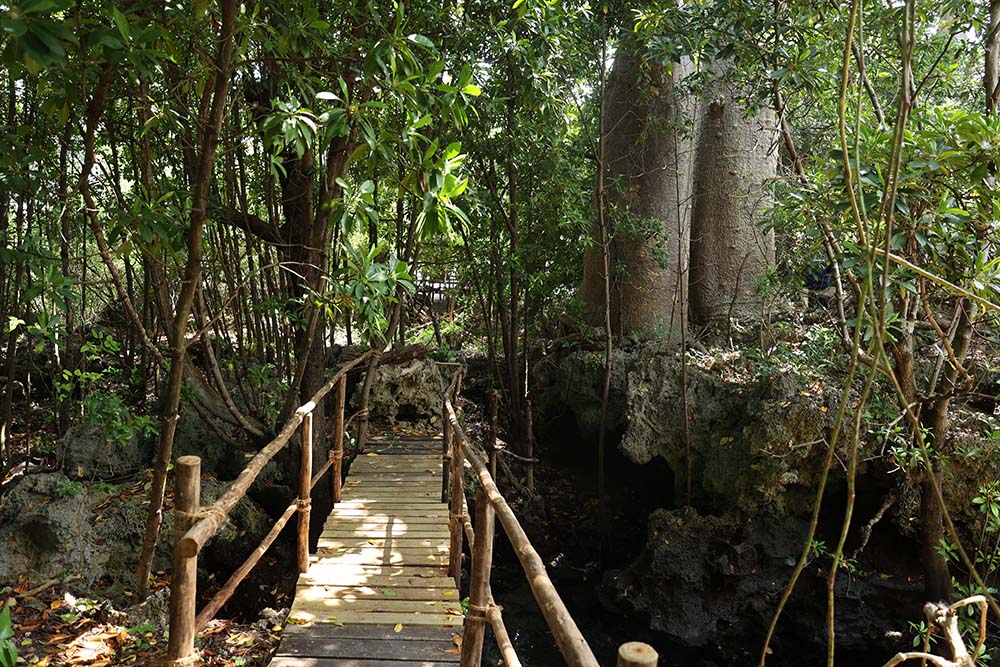
As you will read in our travel guide Uganda, this gem is a breathtaking wonderland where lush, green forests burst with life. Imagine strolling through these enchanted woods, surrounded by the gentle rustle of leaves and the sweet songs of birds. A world of wonder awaits, filled with creatures both big and small.
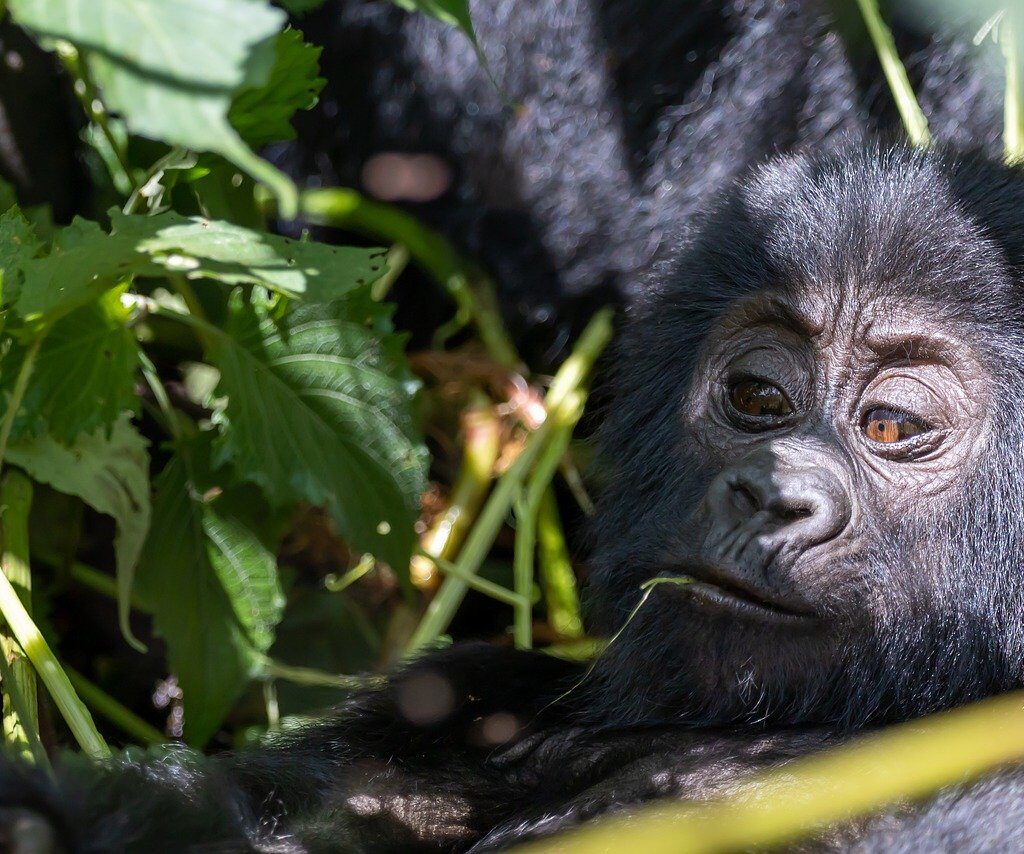
From the majestic gorillas to playful chimpanzees, Uganda is a primate paradise. You can encounter over twenty different types of monkeys swinging through the trees, their eyes sparkling with mischief. Furthermore, if you’re lucky, you might even spot the rare and extraordinary shoebill stork, a prehistoric-looking bird with a massive beak.
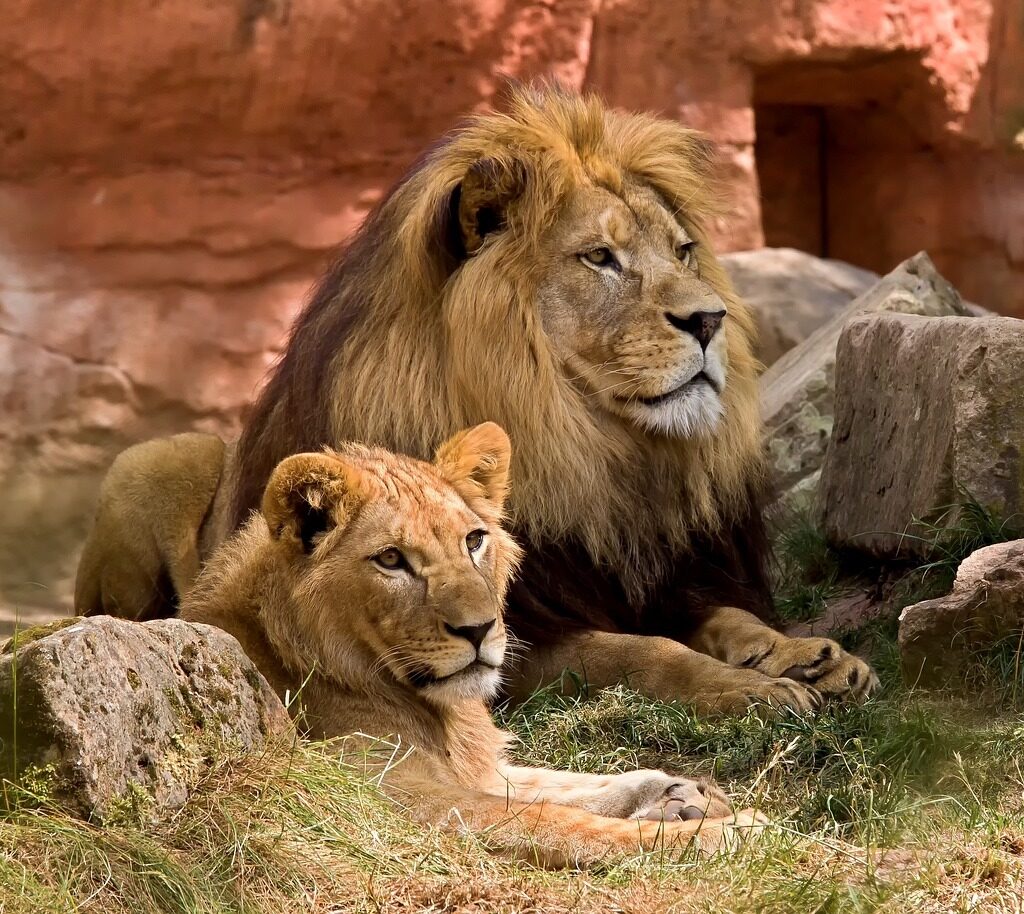
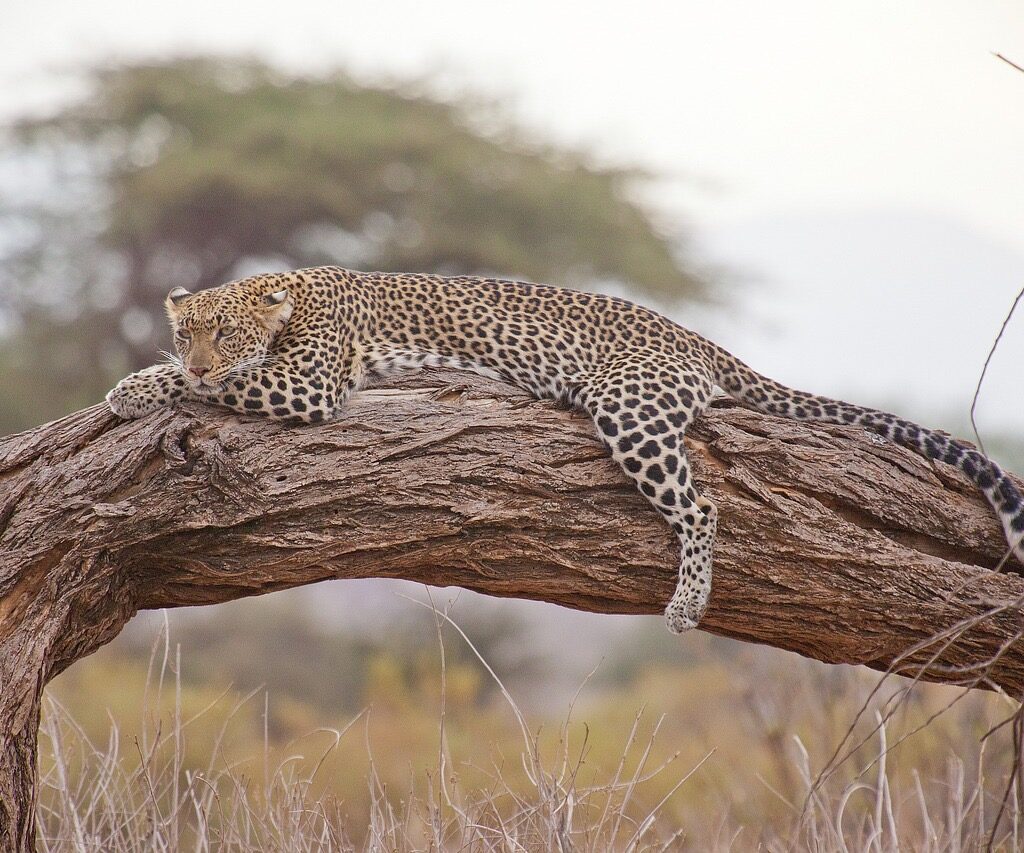
But the magic doesn’t stop there. Uganda is also home to four of Africa’s legendary Big Five animals: lions, leopards, elephants, and buffalo. Get ready for heart-pounding adventures as you track these magnificent creatures through the wilderness. In addition, don’t forget about the tree-climbing lionesses of Ishasha – a truly unique sight to behold!
Picture this: lounging in the shade of a fig tree, watching as a graceful lioness dozes peacefully. Or drifting along the calm waters of the Ntungwe River, where lazy crocodiles sunbathe on the sandy banks. These are just a few of the unforgettable moments that await you in Uganda.
This incredible country is a treasure trove of biodiversity. From colourful butterflies to slithering snakes, and chattering monkeys to graceful giraffes, you’ll find a dazzling array of wildlife. So pack your bags, and let Uganda cast its spell on you.
Uganda is a breathtaking canvas painted with strokes of emerald green, sapphire blue, and golden brown. As a result, this extraordinary diversity of landscapes is the secret to its enchanting allure.
Imagine yourself amidst the ancient highlands, where forests, as old as time itself, whisper tales of bygone eras. Or perhaps you dream of standing in awe before the icy majesty of towering mountains, their snowy peaks a stark contrast to the equatorial sun. Lush, emerald glades and pristine valleys beckon you to wander, while bamboo forests offer a mysterious, rustling embrace.
For those who crave aquatic adventures, the Kazinga Channel is a liquid highway through a realm of wonder, connecting two majestic lakes. And then there’s the Nile, a mighty river that explodes into a thunderous spectacle at Murchison Falls before winding its way through the heart of the country.
Imagine lazing on the shores of iconic Lake Victoria, the gentle lapping of waves a soothing lullaby. Or set sail on a romantic boat trip, casting a line into the depths, hoping for a thrilling catch. The nearby Ssese Archipelago is a cluster of freshwater paradises, each one a hidden gem waiting to be discovered.
For a touch of adventure, venture into the arid plains of the Kidepo Valley. Despite the dry, sun-drenched landscape, this remote wilderness teems with wildlife, offering an unforgettable safari experience.
Uganda is a symphony of contrasts, a land where dreams take flight. Whether you seek tranquility or excitement, adventure or romance, this extraordinary country has it all.
From adrenaline-pumping adventures to serene escapes – travel guide Uganda
Uganda, a verdant tapestry woven with threads of adventure, invites you to an extraordinary journey. From the moment you arrive, a world of endless possibilities unfolds before you. Are you drawn to the thrill of the wild? Perhaps you yearn for a tranquil escape, or maybe you seek to immerse yourself in the heart of local culture. Whatever your heart desires, Uganda has the perfect experience waiting.
Imagine traversing vast savannah plains in search of majestic wildlife, or delving into the heart of ancient rainforests, where you might discover rare creatures. Whether you’re exploring the iconic Queen Elizabeth National Park, the serene beauty of Lake Mburo, or the untamed wilderness of Semliki, every corner of Uganda offers a unique and unforgettable encounter. Furthermore, the country is a paradise for birdwatchers, teeming with a dazzling array of feathered wonders.
If you crave adrenaline-pumping adventures, Uganda will not disappoint you. Scale the snow-capped peaks of the Rwenzori Mountains, a challenge for even the most seasoned mountaineer. Or perhaps you prefer a gentler ascent, exploring the slopes of Mount Gahinga or Mount Elgon. For those who love the water, there are countless options: glide through the tranquil waters of Lake Albert in search of the elusive shoebill stork, paddle a traditional canoe through the enchanting Mabamba swamp, or conquer the exhilarating rapids of the Nile River near Jinja. On the contrary, you can even bask in the warmth of the African sun on the shores of a man-made beach, complete with swaying palms for the ultimate relaxation.
Discover the fascinating cultures and faiths that define Uganda – travel guide Uganda
Uganda, a land where ancient traditions gracefully intertwine with contemporary rhythms, offers a captivating tapestry of cultures and beliefs. While embracing the march of modernity, Ugandans hold their heritage dear, nurturing a vibrant mosaic of diversity.
Step into the heart of its bustling cities, and you’ll be greeted by a kaleidoscope of 65 distinct tribes, each painting their unique strokes on the nation’s canvas. This harmonious coexistence is mirrored in the spiritual landscape, where mosques, cathedrals, synagogues, and temples stand as proud symbols of Uganda’s unwavering tolerance.
Kampala, the nation’s capital, is a living testament to this spirit of inclusivity. As you wander through its streets, you’ll be enchanted by the youthful energy that pulses through the city. For instance, the creative flair of Uganda’s young generation is evident, finding expression in the art and craft markets that dot the urban landscape.
Uganda is a land of contrasts, where ancient traditions harmonize with modern comforts. Immerse yourself in the lives of local communities, learning about their customs and traditions. Or simply unwind in the lap of luxury, surrounded by breathtaking natural beauty.
As you can read in this travel guide Uganda, the possibilities are endless. So, what kind of adventure are you dreaming of?
You can find our safaris in Uganda here. For more information why you should visit gorillas in Uganda, click here. Did you find what you were looking for in this travel guide Uganda? If you need more information, please drop us a line.
If you want to travel to a fascinating country in East Africa, then explore Kenya. Bordered by Tanzania to the south and Ethiopia to the north, it has a stunning variety of landscapes. From the snow-capped peak of Mount Kenya, the second-highest mountain in Africa, to the vast savannahs full with wildlife, Kenya offers something for everyone.
Wildlife
Kenya is world-famous for its incredible wildlife safaris. Visitors can witness the “Big Five” – lions, elephants, leopards, rhinos, and buffalo. Those can be found in the iconic national parks like Masai Mara and Amboseli. Furthermore many zebras, giraffes, cheetahs, and countless birds fill the plains and skies.
Culture
bbbbKenya is a multicultural nation with a rich history and traditions. Many ethnic groups call Kenya home, each with their own unique customs, languages, and clothes. Explore busy cities like Nairobi, the capital. Another option is visiting the Masai Mara to experience the semi-nomadic lifestyle of the Maasai people. Find out more about other national parks: Amboseli, Hell’s Gate, and Lake Nakuru.
Explore Kenya’s Breathtaking Landscapes
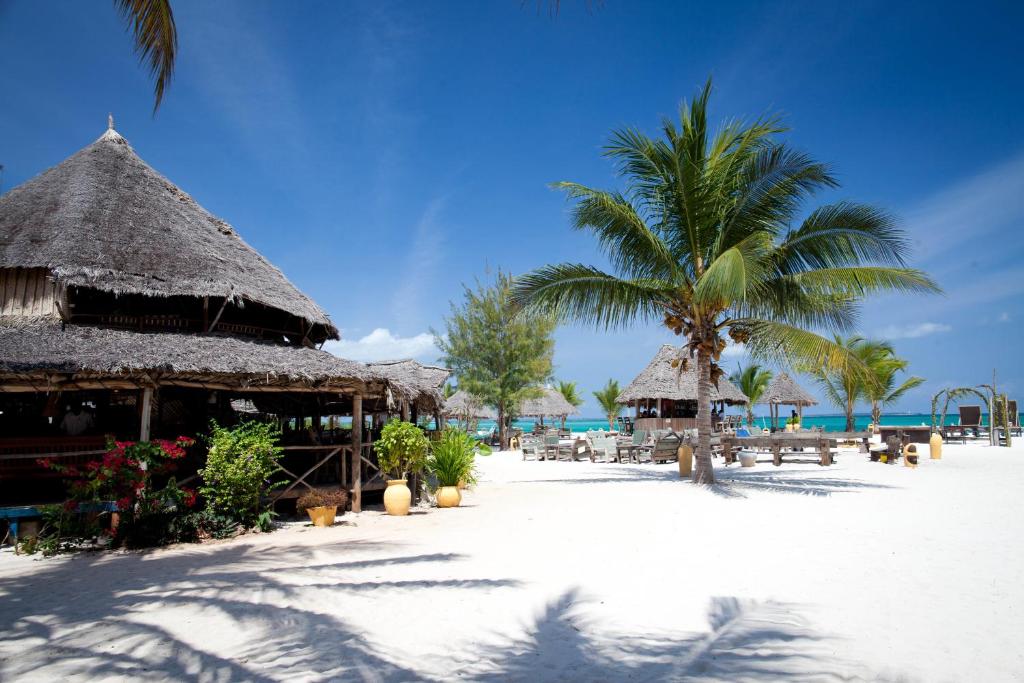
The Kenyan landscape is a dream of every photographer. Golden savannas stretch as far as your eyes can see. Moreover, the Great Rift Valley, a massive geological trench, cuts through the center of the country. Afterwards, for relaxation and/or watersports, you can visit the pristine beaches along the Indian Ocean coastline, decorated with beautiful palm trees.
Adventure Awaits
Kenya is a paradise for adventure seekers. As example, you can do a thrilling hot air balloon ride over the Masai Mara. Then trek through lush rainforests, or go white-water rafting on the wild waters of certain rivers.
Conservation Efforts
Kenya is a leader in wildlife conservation. Therefore, national parks and reserves play a crucial role in protecting endangered species and their habitats. Many lodges and tour operators are committed to responsible tourism practices that benefit both wildlife and local communities.
Explore Kenya now and book!
So, if you’re looking for a destination that offers stunning scenery, diverse wildlife, rich culture, and exciting adventures, Kenya should be at the top of your travel list. Contact us today or have a look at our safaris in Kenya.
Located in the far west of Tanzania, Katavi National Park is for the true safari enthusiast. Often combined with nearby Mahale, Katavi receives very few travelers due to its relative inaccessibility and the high cost of flights. However, if you spend the time and money to get here, you’ll be richly rewarded. Katavi is nothing short of magical.
Where wild is really… WILD
Firstly, this park is truly wild with only a few camps and very few visitors. Katavi is one of the few places in Africa where you feel like you’ve stepped back a thousand years. Many safari experts argue that this is the quintessential Tanzania safari park, and we certainly believe it to be the country’s best-kept secret. Furthermore, combining this park with Mahale creates the best safari in Africa.
Moreover, the volume of game in Katavi is outstanding. Some researchers believe that the concentrations are even higher than in Ngorongoro. Huge herds of buffalos and lions prides duel daily, while hippos and crocodiles gather in pods and nests which is not found anywhere else in Africa. Although the cost of getting here is high, this has protected the park from the crowds affecting other areas. Once you arrive, lodge prices are reasonable, and most camps are of very high standards.
Additionally, Katavi showcases buffalos and lions duels like nowhere else. Game drives here can be seriously explosive! Katavi is equally famous for its enormous crocodile and hippo populations. The huge hippo pool can see 600 hippos at its peak, and nowhere else in Africa crocodiles hide in holes in the ground as they do here. The wildlife in Katavi hasn’t read the species behavioral rule book! Sizeable elephant herds and good numbers of zebra, giraffe, topi, leopard, waterbuck, hyena, and occasionally wild dog make this a park to compete with the best safari experiences in the world.
Furthermore, the main activity in Katavi is daytime game driving. Night safaris are not permitted. Some camps offer walking safaris.
When to visit Katavi National Park
Like Nyerere National Park and Ruaha National Park, Katavi is a classic dry-season park. The game viewing gets progressively better towards the end of the year. As the water holes and rivers dry up, game moves down from the surrounding hills and congregates around the remaining river system. Consequently, the viewing gets seriously good. July to October is absolutely peak season for Katavi, but more and more travellers are trying Katavi out of season, maybe even to have the park completely to themselves!
For accommodation
There are a few accommodations in Katavi. Please contact us for your best options based on your wishes and budget. Some more information about Katavi you can find here.
Have You Ever Been to Mikumi National Park? Tanzania’s Untamed Paradise Awaits!
The call of the wild is inviting you to the breathtaking Mikumi National Park. But have you ever ventured into this untamed paradise?
For those seeking an unforgettable African adventure, Mikumi promises an experience beyond compare. Imagine vast, emerald plains stretching endlessly, full with zebras and wildebeest grazing freely. Also, picture iconic baobab trees, silhouetted against a fiery sunset, casting long shadows across the savannah. This is Mikumi, a land where wildlife encounters, breathtaking landscapes, and a sense of serenity collide. A safari experience you’ll never forget.
More than a game drive!
But Mikumi offers so much more than just a traditional game drive! Here are some of the incredible experiences that await you:
Get Up Close and Personal with Wildlife: Experience thrilling games drive in an open safari vehicle, searching for the park’s diverse inhabitants. From gentle giants like giraffes and elephants to playful monkeys swinging through the trees. In meantime keep your eyes peeled for everything from graceful gazelles to elusive predators like lions and leopards.
Explore Mikumi on Foot: For a truly immersive experience, swap the jeep for a guided bush walk. Feel the earth beneath your feet as you explore the wilderness, getting up close to the sights, sounds, and smells of the African bush. This is a unique opportunity to appreciate the delicate balance of the ecosystem. Witness the smaller wonders often missed from a vehicle.
Seek Out Hidden Waterholes: Venture off the beaten path and explore the park’s hidden waterholes. These vital sources of life attract a diverse array of wildlife. It offers a glimpse into the natural world as animals gather to quench their thirst. Witness the intricate dance of predator and prey, or simply marvel at the beauty and resilience of these magnificent creatures.
Amazing Starry Skies: As the sun dips below the horizon, painting the sky in fiery hues, a sense of serenity washes over Mikumi. Settle into camp, lulled by the symphony of nocturnal creatures chirping and rustling in the leaves. Then, gaze upwards at the breathtaking display of stars – a humbling reminder of our place in the vast universe.
Mikumi is more than just a destination!
Mikumi National Park is more than just a destination. It’s an experience that will stay with you long after you return home. So, have you ever been to Mikumi? If not, add it to your bucket list now! This Tanzanian gem awaits, promising an unforgettable adventure that will ignite your wanderlust and leave you breathless. Check out our southern safaris or contact us now for a once in a lifetime experience!
Nestled within the awe-inspiring Great Rift Valley lies Hell’s Gate Kenya, a haven for adventure seekers and nature enthusiasts alike. Unlike traditional safari experiences confined to vehicles, Hell’s Gate beckons you to explore on foot or by bicycle. Subsequently this offers a unique and intimate connection with the park’s wonders.
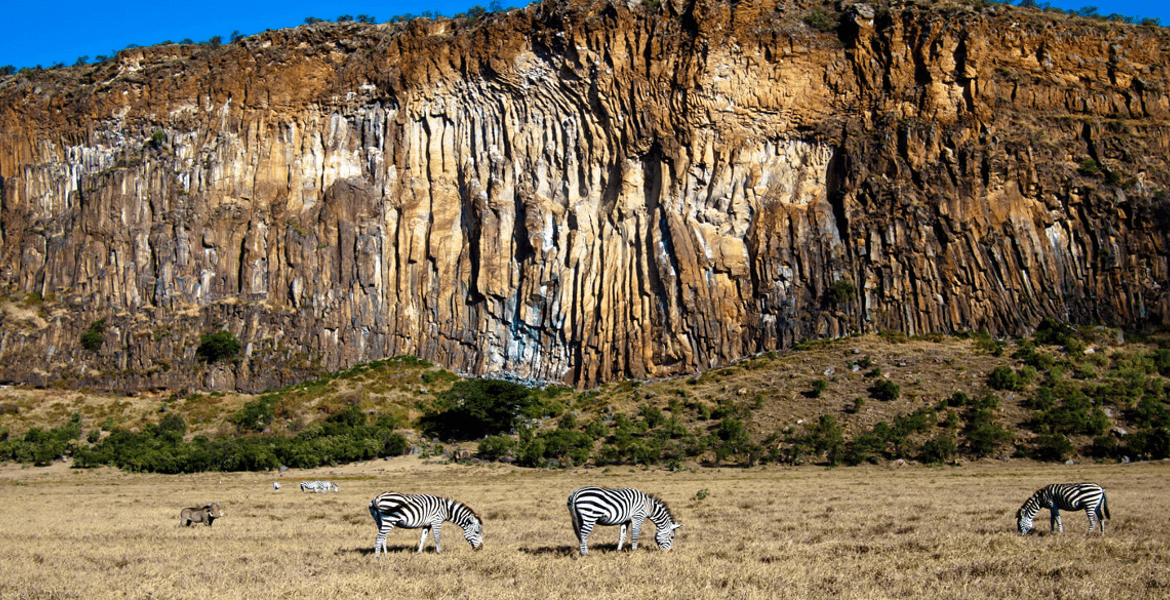
Towering cliffs, sculpted by volcanic activity millions of years ago, frame the park’s heart: the dramatic Hell’s Gate Gorge. Keep your eyes peeled for eagles soaring overhead as you traverse scenic trails, encountering diverse wildlife like zebras, gazelles, and even the occasional lion or cheetah.
Beyond Game Viewing
Hell’s Gate Kenya caters to the adventurous spirit. Challenge yourself with a thrilling rock climbing expedition on the park’s towering cliffs. Then, you can explore hidden caves formed by ancient volcanic eruptions. For a scenic perspective, cycle or hike through the park’s diverse landscapes, soaking in the beauty of the Rift Valley.
Family Fun at Hell’s Gate Kenya
Hell’s Gate National Park is a perfect destination for families. The manageable walking and biking trails are suitable for all ages. Furthermore the diverse landscapes provide a natural classroom for curious young minds. Imagine the excitement of spotting wildlife or exploring hidden caves together!
A Touch of Hollywood
In addition, movie buffs will be delighted to learn that Hell’s Gate Kenya’s dramatic landscapes served as inspiration for iconic films. Examples are The Lion King and Lara Croft: Tomb Raider – The Cradle of Life. Trek through the same scenery that graced the silver screen, adding another layer to your unforgettable adventure.
Cultural Encounters
Hell’s Gate offers not only stunning scenery and wildlife but also a chance to immerse yourself in Kenyan culture. After exploring the park’s natural wonders, expand your horizons by exploring the rich cultural heritage of the Maasai people. Then, learn about their traditions and way of life, gaining a deeper appreciation for Kenya’s diverse tapestry.
Situated near Lake Naivasha and a short drive from Nairobi, Hell’s Gate is a perfect stop on your Kenyan adventure. Whether you seek an adventurous escape or a connection with nature and culture, the park offers an unforgettable experience. Check also our budget or luxury twin migration safari that can easy be combined with Hell’s Gate.
More information about Hell’s Gate Kenya you can find here and here.
Ready for your Hell’s Gate Kenya adventure?
Contact us today to start planning your Kenyan escape!
Witness Nature’s Spectacle while visiting Serengeti National Park in Tanzania
The Serengeti National Park, Tanzania’s crown jewel, beckons with endless plains, iconic wildlife encounters, and a raw, untamed beauty. Whether you’re a seasoned safari enthusiast or a first-time adventurer, the visiting Serengeti National Park promises an unforgettable experience.
Immerse Yourself in the Majesty
Two nights is the recommended minimum to truly experience the vastness of the Serengeti. Explore diverse landscapes, from open grasslands to acacia woodlands, teeming with an incredible variety of animals. Additionally, witness mighty lions stalking their prey, graceful zebras grazing in herds, and playful elephants cooling off in watering holes.
The Great Migration: A Once-in-a-Lifetime Encounter
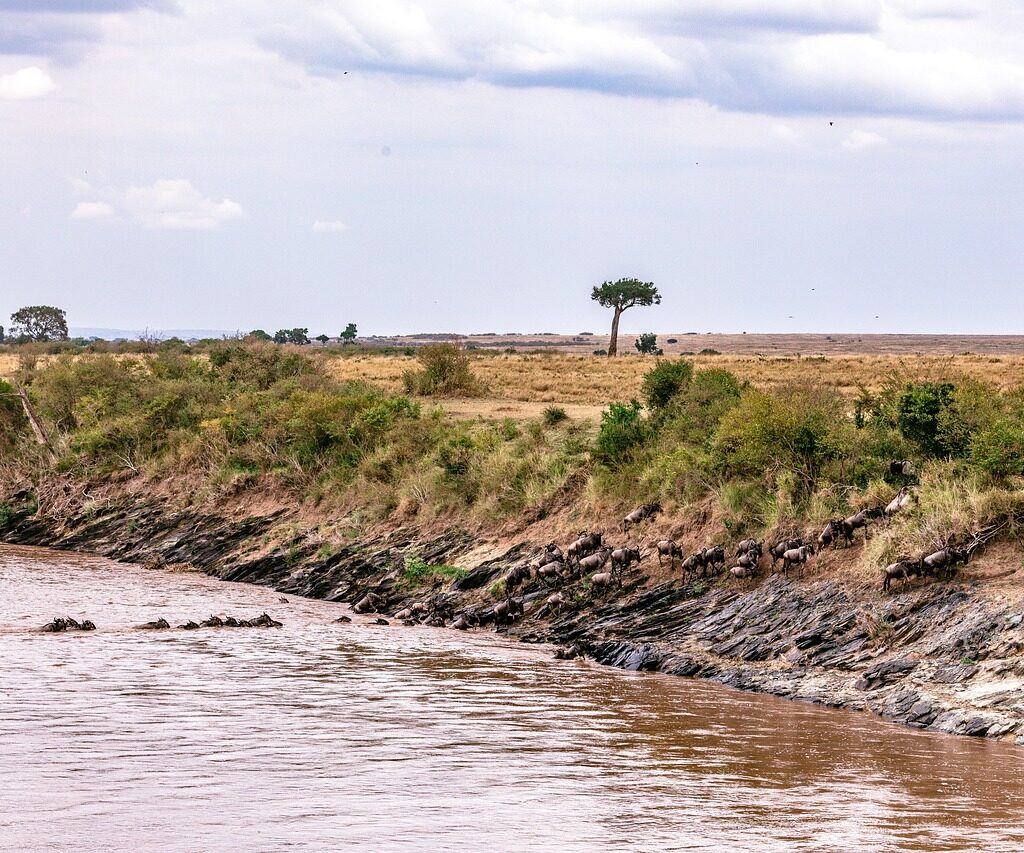
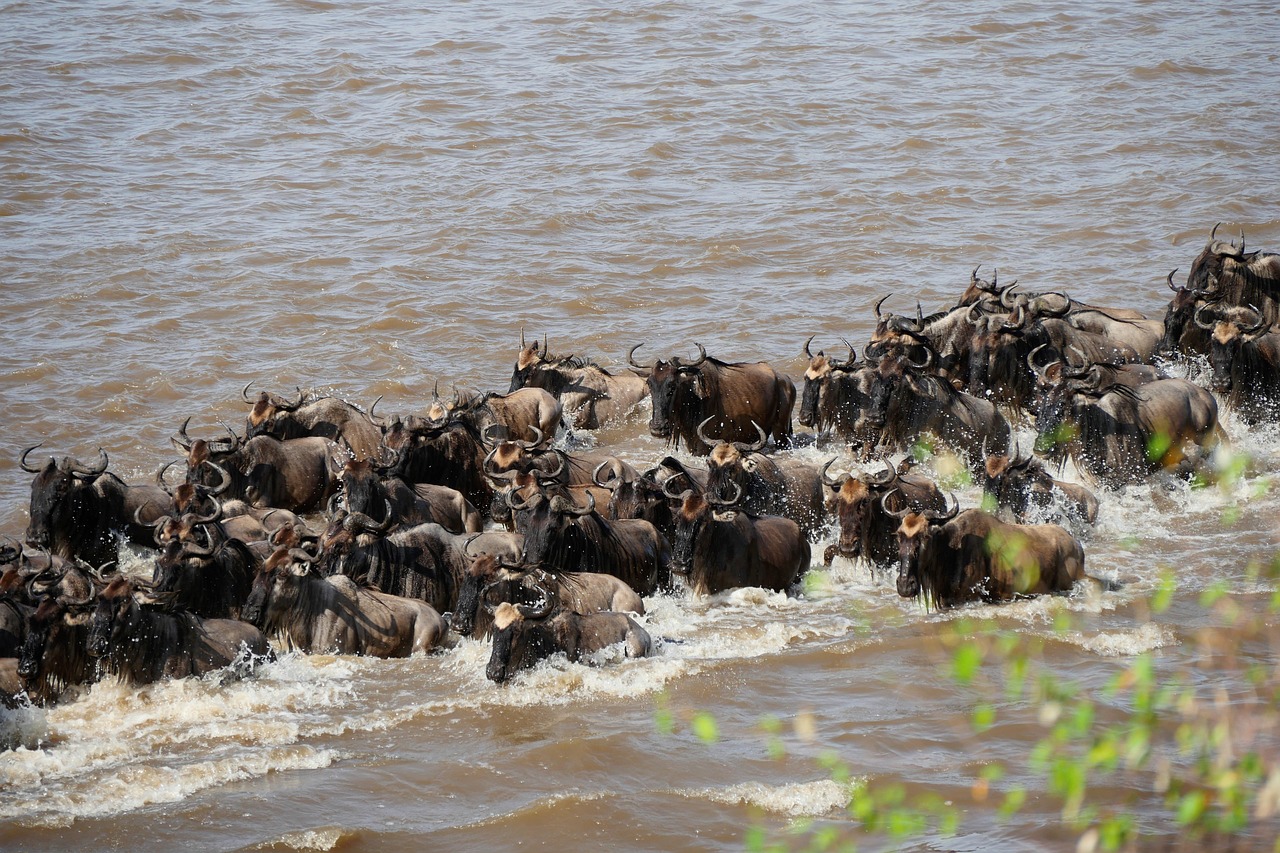
All year long the Serengeti plays host to one of nature’s most awe-inspiring events: the Great Migration. Between mid July and mid October you’ll find them only in the north of the Serengeti. Then you’ll witness millions of wildebeest and zebra passing the Mara River. To fully experience this spectacle, consider extending your stay by one additional night. This allows for dedicated game drives specifically focused on the migration patterns.
Unforgettable memories await while visiting Serengeti National Park
Visiting Serengeti National Park means breathtaking sunrises that paint the sky in vibrant hues, and starlit nights that shimmer with a million twinkling diamonds. Then, at the end of the day, relax at your luxurious lodge, tented camp or under the stars, recounting the day’s adventures and soaking in the serenity of this remarkable place.
There are many lodges and tented camps in the Serengeti but the most special is a camping safari. Of course this includes tented camps although a budget camping is a bit more adventurous. Camping safaris put you right in the heart of the wilderness. You’ll sleep under the stars, listen to the sounds of the bush at night, and wake up to a symphony of birdsong. This immersive experience allows you to feel a deeper connection to the wildlife and their natural habitat.
When to visit the Serengeti
The Serengeti unrolls a welcome mat year-round, but each season offers a completely different adventure:
Witness the Miracle of Birth (January-February): Head to the Ndutu area (South Serengeti) to witness the awe-inspiring wildebeest calving season. Imagine a sea of mothers and wobbly newborns blanketing the plains!
The Migration Moves West (June-July): The wildebeest show rolls on! This time, catch the dramatic herds thundering across the Western Corridor in a quest for fresh pastures.
Front Row Seats to the River Crossing (August-September): Be mesmerized by the iconic spectacle of the wildebeest crossing the Mara River. This perilous journey is a photographer’s dream and a nature lover’s must-see.
Lush Landscapes & Lower Prices (April-May): The rainy season paints the Serengeti a vibrant green, a stark contrast to the usual dry season landscape. This time is also known for lower travel costs, making it a budget-friendly option for wildlife enthusiasts.
Ready visiting Serengeti National Park? Please have a look at our safaris in North Tanzania here. Or contact us to create your personalised safari itinerary, ensuring you witness the wonders of this unforgettable national park.
Charming Pemba Island – maybe the WiFi is weak, but the sunsets are strong!
Thus, leave behind the noise, pollution, and constant demands of the digital world. Enter a sanctuary where you can reconnect with yourself and the natural world. Not as a passive tourist, but as a mindful participant. Therefore, enjoy sunshine, fresh air, delicious food, a comfortable bed, and the warm hospitality of the citizens.
A Paradise Found on Charming Pemba Island
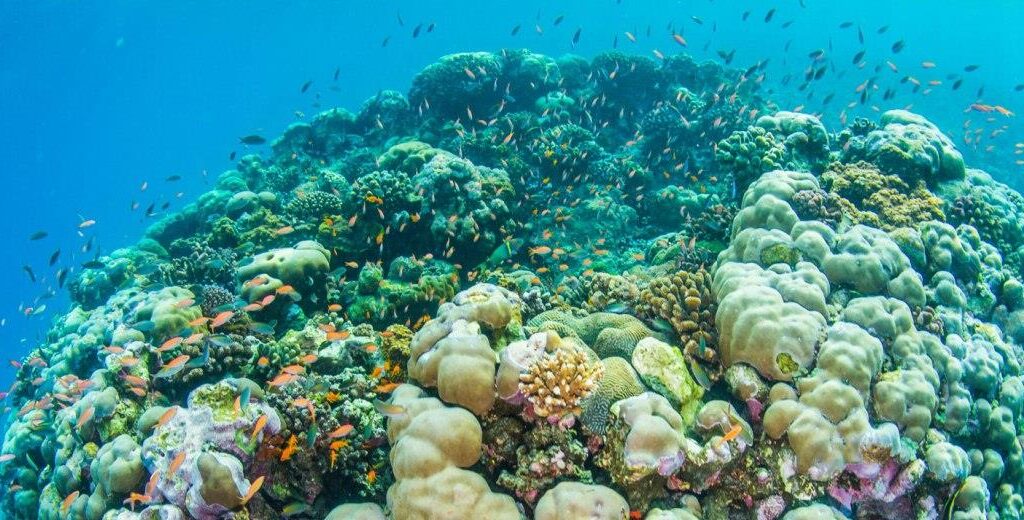
Imagine yourself nestled in the embrace of a pristine forest, overlooking breathtaking turquoise waters so pure they take your breath away. These hidden depths hold a secret world of vibrant, unspoiled coral reefs. On land, pristine white sand beaches, some of the most beautiful in the world, beckon you to relax and unwind.
Charming Pemba Island offers a unique escape, a chance to reconnect with nature and rediscover the simple joys of life. Contact us today to start planning your unforgettable journey to this truly beautiful Island.
The Clove Island – Charming Pemba Island
Once, it was the world’s leading producer of cloves, still contributing a staggering 70% of the global supply. Today, the island has returned to its roots, embracing its traditional role as a stunning island paradise. Small inter-island trade thrives, fostering a sense of community and preserving the island’s unique character.
Beyond its historical significance and idyllic beauty, Pemba Island holds a touch of mystery. Renowned as a “magic” island, it is a center for ju-ju traditions of medicine and, some might say, wizardry. This unique cultural heritage adds an intriguing layer to Pemba’s allure, beckoning adventurous travelers seeking a destination steeped in history,cultural richness, and a touch of the extraordinary.
Are We Truly Alone in the Universe?
Pemba Island, with its stunning beauty and a population of over 500,000, presents a curious case. Despite its undeniable charm, the island remains largely undiscovered by tourists. Rarely do you encounter more than a few dozen foreign visitors, creating a sense of peaceful seclusion.
A Step Back in Time
Traveling through Pemba Island feels like stepping into untouched territory. The islanders’ warm hospitality shines through, with villagers eager to strike up conversations and children greeting you with their biggest, brightest smiles as you pass. Their genuine enthusiasm is a refreshing change from the usual tourist crowds.
A Welcoming Embrace
Pemba’s markets offer a delightful experience. Stallholders often beckon you over, not for a sale, but for a chance to share their hospitality. So expect to be offered a seat and invited to sample their fresh fruits. The vendors will patiently wait for your reaction. This sense of community and genuine warmth is a defining feature of Pemba Island.
Pemba Island offers a unique escape – a chance to experience pristine beauty. Immerse yourself in a welcoming culture, and create memories that will last a lifetime. Contact us today to start planning your adventure to this unforgettable island paradise.
More about Pemba Island you can find here and here. Please contact us for the perfect combination Pemba Island/Safari Tanzania based on your budget and wishes.
From a Safari Adventure to the best beaches of Kenya
To help you plan your dream Kenyan escape, our team has compiled a list of some of the Best Beaches of Kenya. Imagine the exhilarating rush of a Kenyan safari, witnessing majestic lions basking in the sun or playful cheetahs sprinting across the savanna. Then, picture yourself sinking your toes into the warm sand of a pristine beach. The gentle rhythm of the waves washing away any lingering safari dust. Kenya offers the perfect combination of adventure and relaxation. Therefore its world-renowned wildlife viewing opportunities seamlessly pair with a breathtaking Indian Ocean coastline.
A Curated Collection of Coastal Gems – Best Beaches of Kenya
The beaches are random presented.
Galu Beach
South of Diani Beach lies Galu Beach, a haven of tranquility on this list of Best Beaches of Kenya. This hidden gem boasts crystal-clear water and fine white sand. Unlike some beaches, here you’ll find peace and quiet, with minimal crowds and vendors interrupting your relaxation. Undoubtedly, finding a comfortable sun-bed under a permanent umbrella is a breeze, allowing you to truly unwind.
Watamu Beach
Travel further south of Malindi and discover Watamu Beach. This beach is renowned for its pristine white sand and its unique landscape. Part of the Watamu National Marine Park, the beach transforms with the tides. At low tide, the white sand extends to reveal beautiful islands and rolling hills, creating a breathtaking panorama. Moreover, the lack of major development adds to the allure, offering a truly wild and secluded beach experience.
Malindi Beach
If you’re looking for a vibrant beach with plenty of activities, Malindi Beach is the place to be. Famed for its coral reefs just a short distance offshore, Malindi offers a variety of adventures. For example game fishing and surfing or simply soaking up the sun on its vast stretches of white sand. And when you’re ready for a change of pace, the historic town of Malindi awaits exploration.
Island Escape on Chale Island
Just off Diani Beach lies a tiny treasure – Chale Island. This wilderness island offers a true Robinson Crusoe experience. Imagine yourself surrounded by colobus monkeys as you explore the island on foot at low tide. Undoubtedly the small coral beach, teeming with hermit crabs, completes the picture of a secluded paradise.
Manda Island
Manda Island, part of the Lamu archipelago, offers a unique blend of history and natural beauty. Therefore explore the fascinating ruins and excavations dating back to the 9th century, or simply relax on the pristine white sand beaches. Certainly, this island offers a desert island escape with a touch of historical intrigue.
South of Mombasa lies Diani Beach, arguably Kenya’s most famous beach destination and therefore a must on this list of Best Beaches of Kenya. This 10-kilometer stretch of paradise offers something for everyone. Take long walks along the stunning shoreline, explore the vibrant coral reefs through diving, or simply relax on the beach. Then marvel at the sight of black-and-white colobus monkeys adding an exotic touch to the landscape. With its wide selection of first-class hotels and restaurants, Diani Beach caters to every vacation style.
Best Beaches of Kenya: the perfect complement to your safari adventure
Whether you seek tranquility, adventure, or a touch of history, there’s a beach paradise waiting to be discovered.
If you want to know more about the country or a safari in Kenya, please follow this or this link.
More Best Beaches of Kenya?
If you have discovered another beach that should be mentioned here, please let us know.
Have you ever dreamt of escaping to a secluded island paradise? Look no further than Chumbe Island Coral Park, a hidden gem off the coast of Zanzibar, Tanzania. This award-winning island sanctuary offers something for everyone, from nature lovers to eco-conscious travellers.
Island Magic
This island is more than just a beautiful beach destination. It’s a fully protected coral reef sanctuary teeming with life. Imagine snorkeling amongst a kaleidoscope of colorful fish, exploring lush rainforests bursting with unique plants and animals, and relaxing on pristine beaches with crystal-clear turquoise waters lapping at your toes.
Eco-Friendly Escape
But Chumbe Island isn’t just about beauty, it’s about responsible tourism. The island is committed to sustainability. Here, you’ll find eco-friendly lodges that blend seamlessly into the environment. These lodges use rainwater harvesting,solar power, and natural wastewater treatment systems. By choosing Chumbe Island, you can be sure your vacation is kind to the environment.
Unforgettable Activities Chumbe Island
Beyond the stunning scenery, the island offers a variety of activities to keep you entertained. Firstly, take a guided tour through the lush rainforest and discover the island’s unique flora and fauna. Additionally, embark on a special hike to spot the fascinating coconut crab, a true island character. Moreover, explore the island at your own pace, uncovering hidden coves and soaking up the natural beauty. For those water enthusiasts, snorkeling and diving adventures reveal the vibrant underwater world teeming with life.
Tranquility and Luxury
After a day of exploration, unwind in style at one of the island’s luxurious bungalows. With only seven bungalows on the entire island, you’ll experience a sense of spacious privacy and tranquility. In fact, on this island you wake up to the sound of the waves and falling asleep under a blanket of stars.
Planning Your Dream Escape to Chumbe Island
Chumbe Island is easily accessible from Stone Town, Zanzibar, with boat trips taking you to this paradise in just 45 minutes. Whether you’re seeking an adventure-filled getaway or a relaxing escape, this island promises an unforgettable experience.
Ready to start planning your dream island escape? Therefore, don’t wait any longer – discover the magic and contact us now for the possibilities!
For travel enthusiasts seeking adventure, here you’ll find a complete guide for your safari in Tanzania. Nestled in East Africa, bordered by the Indian Ocean, it offers a diverse range of experiences. Whether you’re visit urban centers or untouched natural beauty, this sunny paradise has it all for your vacation dreams to come true.
Tanzania boasts abundant wildlife, pristine beaches, archaeological wonders, and a culture largely untouched by modernisation. While we’ll delve into various activities to enjoy in this remarkable country, the primary allure of Tanzania lies in its unspoiled landscapes. Destinations like Katavi offer untouched wilderness, providing an escape from the hustle and bustle of our modern life.
A country of extremes
Tanzania is the land of remarkable extremes. It is situated or 200 meters above sea level and contains both the tallest mountain in Africa and the second deepest lake in the world. Mount Kilimanjaro, which is measured 5,895 meters, lives in this country. The world’s second deepest lake is Lake Tanganyika, which measures 1,436 meters. The deepest lake of the world is Lake Baikal in Russia which measures 1,642 meters.
Of course there is much more.
History – Complete guide for your safari in Tanzania
In 1964, Tanganyika on the mainland and the islands of Zanzibar were joined together, giving birth to the United Republic of Tanzania.
This union was only possible after both countries gained independence from British rule, with Tanganyika achieving independence in 1961 and Zanzibar following suit in January 1964. Three months later, Tanzania emerged as a united entity.
Known as “the Cradle of Mankind,” Tanzania boasts the world’s oldest human fossils. With a mosaic of 120 distinct indigenous groups and a history marked by minimal emigration and colonial influence, Tanzania preserves much of its original heritage.
Languages
Tanzania recognizes two official languages: English and Swahili. While English is prevalent, it’s primarily taught at higher education levels. Swahili is taught in the first 7 years of education and continues until the end of a pupil’s schooling.
Reflecting Tanzania’s rich culture, numerous unofficial languages thrive among locals. With over 120 ethnic groups, many communities have their own distinct languages. Additionally, Asian influences have introduced languages like Hindi, Urdu, Punjabi, and Gujarati to certain regions.
Culture
At the heart of Tanzanian culture is the warmth and hospitality of its people, who welcome visitors with open arms and genuine smiles.
Family bonds are central to Tanzanian culture. Regardless of challenges, family events take precedence, even if transportation is lacking.
One of the defining aspects of Tanzanian culture is its vibrant music and dance. Traditional drumming and melodious songs fill the air during celebrations and gatherings, reflecting the country’s diverse ethnic heritage. Each ethnic group in Tanzania boasts its own unique style of music and dance, showcasing the richness of the nation’s cultural mosaic.
Art and craftsmanship also play a significant role in Tanzanian culture. Skilled artisans create intricate wood carvings, colourful textiles, and beautiful beadwork, often inspired by nature and everyday life. .
Tanzania’s cuisine is a delightful reflection of its cultural diversity, blending indigenous flavors with influences from Arab, Indian, and European culinary traditions. Staple foods like ugali (a maize porridge) and nyama choma (grilled meat) are enjoyed across the country. Coastal regions showcase an array of seafood dishes infused with aromatic spices.
Religion also plays a prominent role in Tanzanian culture, with Islam and Christianity being the two dominant faiths. Traditional beliefs and practices, rooted in animism and ancestor worship, continue to hold significance for many communities, adding layers of spiritual depth to daily life.
Even as Tanzania becomes more modern, it still holds onto its cultural roots. Visitors can explore its rich heritage and traditions.
When should I visit Tanzania?
Tanzania experiences two seasons: wet and dry. The rainy season typically spans from late October to January and then picks up again from March to June, with the dry season in between.
Visiting during the dry season (January-February and July to September) offers favourable conditions for activities like mountain climbing and exploration, with pleasant temperatures around 25°C. Roads are easier to navigate, and wildlife congregates around waterholes, making them easier to spot.
Alternatively, the rainy season presents opportunities to witness large animal migrations and lush landscapes. While some areas may be inaccessible, the northern circuit is usually open year-round. During the wet seasons, safaris become more affordable, and you’ll find fewer crowds, allowing for a more intimate wildlife experience. Find out more here.
Do I need a visa? – Complete guide for your safari in Tanzania
Yes, you need a single entry tourist visa to travel to Tanzania. Next to that you need a return ticket and a passport that’s valid till at least 6 month after your arrival date. You can get a visa at the airport but that might take a bit long. We advise to apply for an online visa through this link.
How long should I plan a safari?
For an optimal Tanzania safari experience, aim for a duration of 8 to 10 days. This timeframe allows you to explore the famous northern circuit, encompassing Serengeti, Tarangire, and Ngorongoro. Among these Africa’s top safari destinations you can add a lake, visit a tribe and/or other cultural hubs the region. For a shorter safari, it’s better to visit the southern circuit, for instance Mikumi and Nyerere National Park.
Vaccinations
Before traveling to Tanzania, it’s recommended to ask for advice about the following vaccinations:
Yellow Fever
Diphtheria
Tetanus
Hepatitis A
Hepatitis B
Meningitis
Polio
Tuberculosis
If you are staying for longer than two weeks, some doctors recommend getting vaccinated for Typhoid. And if you are interacting with animals directly, (such as petting or working on a farm) some doctors recommend to include rabies vaccinations.
Speak to your doctor about what vaccinations you have already received, as many people have protection against illnesses during their childhood.
The most important is that you are protected against malaria. Therefore we advise you to take Malerone tablets during your stay on the mainland of Tanzania. The medicine has hardly any side-effects and it’s effective. Furthermore you should take Deet with you that you apply during the (outside) evening hours. Next to that you wear long sleeves, long trousers and socks after sunset. Most accommodations have nets around the beds to protect you from mosquitos.
Currencies
The national currency of Tanzania is the Tanzanian Shilling. It is often written as with TSh or /=. Coins come in 50s, 100s, 200s and 500s, and notes come in 1000s, 2000s, 5000s and 10000.
Most towns will exchange US Dollars, UK pound Sterling and European Euros without issue. Make sure that the bills from your country are not older than 12-14 years. US Dollars and Euros are also accepted in large areas of the country but you might not like the exchange rates.
Where to go in Tanzania?
In short, in Tanzania you can explore nature, see animals, and experience local culture. There are over 14 large lakes and 35 national parks in the country. Each has its own highlights and attractions. Find out more here to download our e-book ‘Explore Tanzania’.
The Big5 – Complete guide for your safari in Tanzania
In Tanzania, you can find the Big Five: lions, elephants, buffaloes, leopards, and rhinoceroses. These magnificent animals are a highlight of safaris in Tanzania’s national parks. Although these animals are large, they can be extremely difficult to spot in the wild. However, a good tour guide can show you the best places to find these extraordinary animals.
The Great Migration
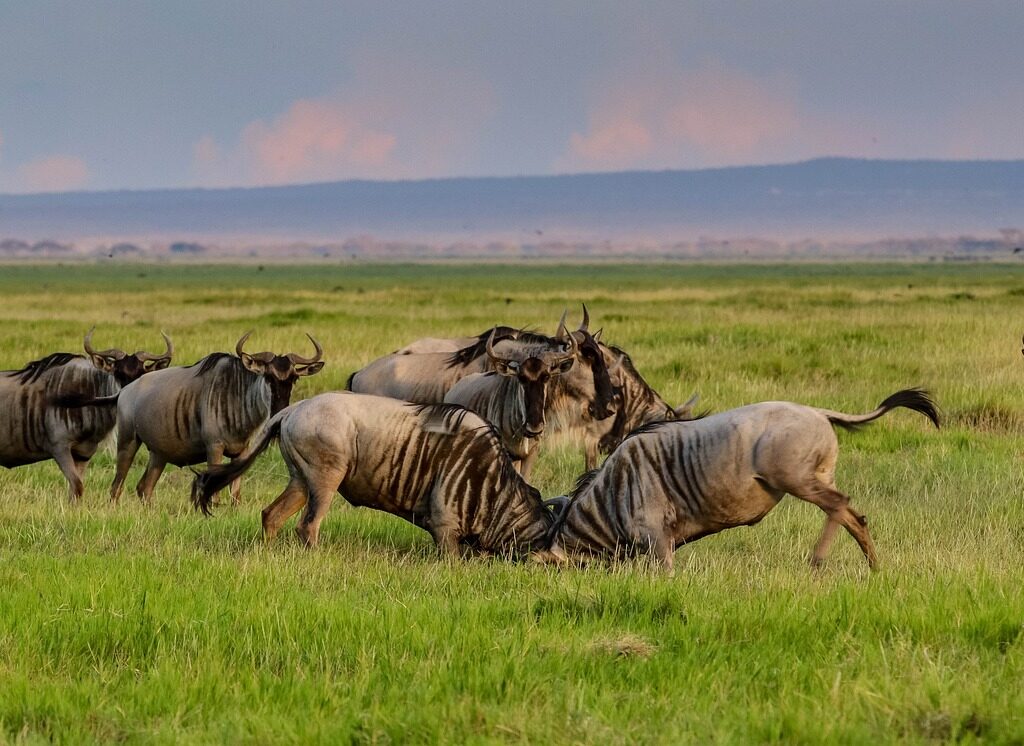
Experience the iconic Great Migration in Tanzania, where millions of wildebeests, zebras, and other animals journey across the Serengeti in search of food and water. It’s a breathtaking natural spectacle you won’t want to miss. The great migration is the largest mammal migration in the world. You can see it in Serengeti National Park and a few month per year in the Masai Mara in Kenya.
Climb Mount Kilimanjaro
Climbing Mount Kilimanjaro, Africa’s tallest peak, is another unforgettable adventure. With its snow-capped summit and stunning vistas, Kilimanjaro offers an iconic trekking experience for adventurers of all levels.
Even if you don’t make it to the top, the view of the wilderness below is truly breathtaking.
The northern circuit
The northern circuit is home to the most famous national parks of Tanzania. Discover Serengeti, Tarangire, Ngorongoro, Arusha, Lake Manyara, and more, and witness wildlife in their natural habitat. If time is short, opt for flights or skip parts to experience it all. Don’t miss out on Tanzania’s wonders, from safaris to hot air balloon rides!
The southern circuit
The southern circuit in Tanzania offers a quieter and more remote safari experience compared to the popular northern. Here, you can explore hidden gems like Ruaha, Nyerere (former Selous), and Mikumi. These parks are known for their diverse landscapes and abundant wildlife, including elephants, lions, and hippos. Wild dogs are rare in Tanzania but in Ruaha and Nyerere you have a good chance to witness them. With fewer crowds, you can enjoy a more intimate and authentic safari adventure in the heart of Tanzania’s wilderness.
The Rift Valley
The Rift Valley got its name from cracks in the earth’s crust. It’s a long stretch of land with hot springs, volcanoes, lakes, and geysers, and home to flamingos and baboons. The valley runs from Syria to Mozambique and is getting wider every year. Some parts have steep drops, reaching 400 meters. Manyara Best View lodge offers stunning views from the top, often visited alongside Tarangire or Ngorongoro parks.
Lake Victoria
Although this lake is only the second largest lake in the world, it is the largest tropical lake. The lake itself touches on three countries – Kenya, Uganda, and Tanzania. It was named after Queen Victoria in 1858 and contains fish you’ll find nowhere else on earth.
Visit Iraqw villages – Complete guide for your safari in Tanzania
The Iraqw tribe lives just as they did a century ago. Tanzania has over 150 tribes, but the Iraqw tribe offers a glimpse into their traditional lifestyle. You can chat with them, see their homes, and even help with farming. On the 7th or 25th of the month, visit their market to buy anything from cattle to art.
Visit a Maasai village
At the Maasai Village, you’ll find a culture as authentic as the Iraqw Village. The Maasai live amidst Africa’s wildlife, including lions and elephants, without fear. They can teach you their ways of living in harmony with nature.
Visit Olduvai Gorge
Olduvai Gorge is located in Ngorongoro Conservation Area. It’s a historical spot where ancient human bones were discovered, some dating back 2 million years. From June to October, you might meet archaeologists working there, sharing recent findings. If not, guides can still provide insights, and the museum offers replicas to take home.
Go off the beaten track
In the height of the dry season, Tanzania can become crowded. When there are more people than animals, it’s time to avoid the well-known paths. We suggest visiting Rubondo Island in the middle of Lake Victoria, Gombe for chimpanzee trekking and national parks in the south.
Go on safari with a professional guide
With a professional guide, you’ll be able to find the hotspots for rare wildlife, and will have access to the more secure areas.
Without a professional guide, you may miss out on the details and hard-to-find animals on the safaris.
Check your airport – Complete guide for your safari in Tanzania
There are multiple different airports in Tanzania, so don’t just fly to the capital city of Dar es Salaam and waste a day traveling to your hotel. There are airports just outside of Arusha, directly to Kilimanjaro, and easy connections to Serengeti.
Buy a local sim card
To make sure you don’t get charged extra for using your phone abroad, you can buy a local sim card. These sims will have better wifi and signal connections, and they will be cheaper due to their expected use in the country.
Local transport
Unless you are driving through the north, the best transport in Tanzania is a bus or train. You can hire a private car, but it costs more money. Busses and trains are less expensive and allow you to see the area around you, and experience life as a native Tanzanian. Don’t expect too much speed from a train though.
Travel in groups at night
Although Tanzania is very friendly to tourists, there will always be people ready to catch a tourist. To make sure you don’t fall victim to muggings, travel at night in groups. Criminals can spot a tourist from a mile away, so don’t take the risk. The safest way is to take a local guide with you. Small costs, big pleasure.
Don’t forget to tip
In Tanzania, tipping is the same as breathing. You will be expected to tip around 10% for basic interactions such as having your picture taken, driving, or being served at a cafe. However, if you are in a fine dining restaurant or a 5-star hotel, the tipping expectancy jumps up to 20%.
You are expected to tip for every interaction, so be sure to count those extra coins before committing to a purchase.
Conclusion of this Complete guide for your safari in Tanzania
Remember, as you plan your trip be sure to include days of rest, as the wonderful wildlife can overwhelm a tourist. So don’t forget to soak in the spar days, and relax by the sea.
We hope this guide for your safari in Tanzania was helpful and gave answers on your questions. If you did not find the answer on all your questions, then don’t hesitate to contact us. We are here for you!