The Truth Behind the Great Migration
The Truth Behind the Great Migration
What is it?
The Truth Behind the Great Migration is not just about timing; it’s about understanding nature’s rhythm.
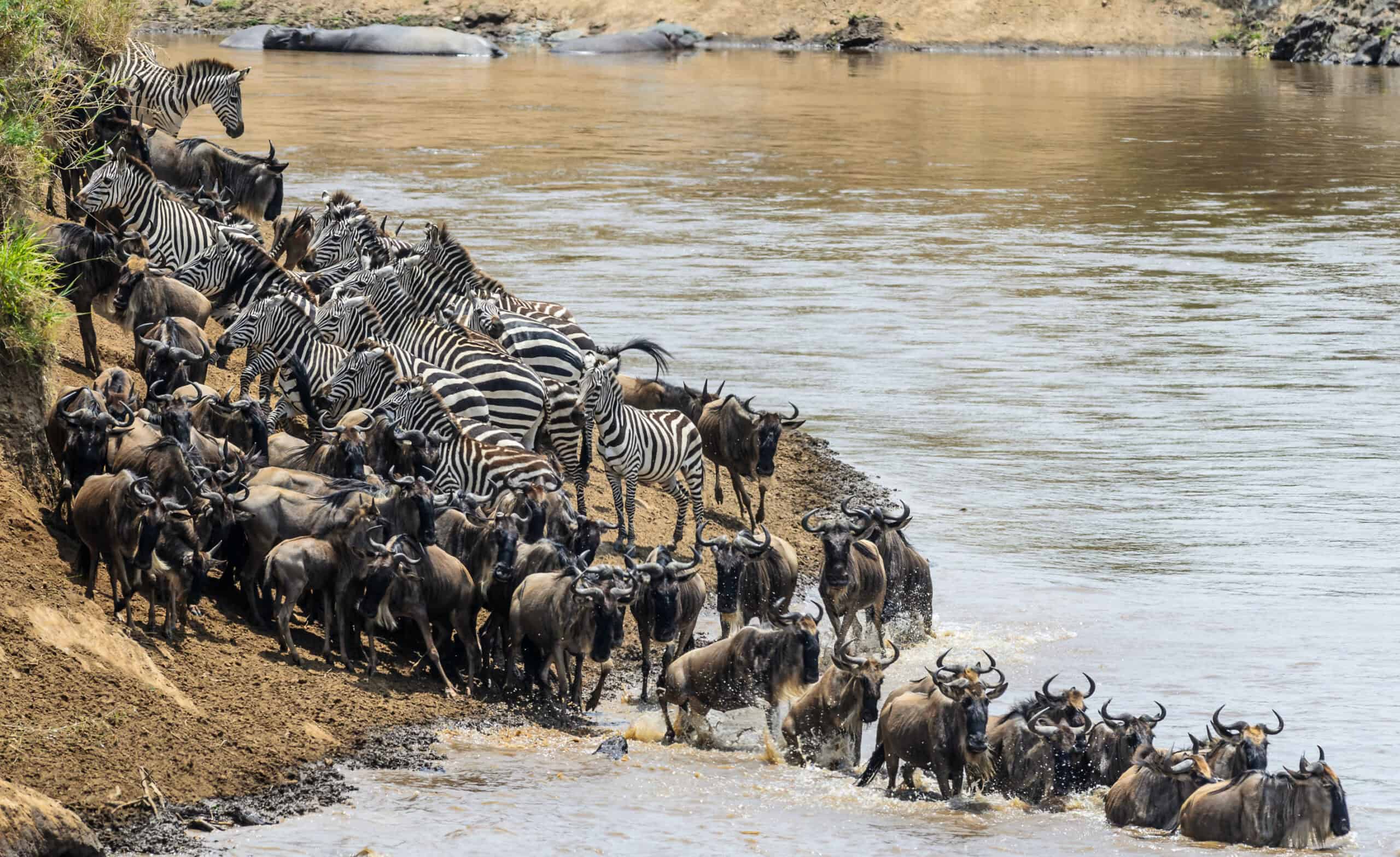
The Great Migration is one of nature’s most powerful stories — a constant, circular movement of life across the endless plains of East Africa. Every year, more than 1.5 million wildebeest, together with about 400,000 zebras and 200,000 gazelles, travel through the Serengeti–Mara ecosystem in search of fresh grass and water.
The herds move because the rains shift. When one area dries, the grass disappears and the animals must continue onward. They follow the smell of rain, the promise of new pastures, and the ancient rhythm that has guided them for centuries. As they move, predators such as lions, cheetahs, hyenas, and crocodiles wait along the way, turning every crossing and open plain into a scene of raw survival.
Throughout their journey, the herds give life to the land. Their hooves stir up the soil, their grazing keeps the grasslands healthy, and their presence attracts countless birds and other wildlife. In turn, the predators keep the balance of nature strong.
Many believe the Great Migration happens only once a year, crossing from Tanzania to Kenya. But that’s not the full story. In reality, only a part of the herds crosses the border into Kenya’s Masai Mara. Many stay in Tanzania. This means that the Great Migration can be witnessed in Tanzania all year round — if you travel far enough north from July till October.
When and Where?
From January to March, the herds gather in Ndutu, in Southern Serengeti. It’s calving season — thousands of babies are born every day, and predators wait close by. It’s emotional, thrilling, and sometimes heartbreaking. Then, as the land dries, the herds start their journey north. By May and June, they reach the Grumeti River, where crocodiles lurk and lions wait in silence.
By July, the first herds reach Kenya, crossing the famous Mara River. It’s wild and dramatic, yet dangerous — not only for the animals but sometimes for the experience itself. Sadly, some tour operators allow their guests to step out of the vehicle during a crossing. This disturbs the herds, blocks their path, and sometimes even forces them back into Kenya. Please, never take part in this. Listen to your guide, but always stay inside the vehicle, and let nature flow as it should.
When the rains return in October and November, the migration moves back south, through the Eastern Serengeti. This area is stunning and far less crowded, yet full of predators. It’s here that guests often witness unforgettable scenes of life and death — sometimes without moving from the veranda of their camp.
Still, The Truth Behind the Great Migration is also about understanding what most tourists never see.
Budget safaris, for example, often skip the northern Serengeti. Operators may say it depends on where the herds are, but from July to October, they are undeniably in the north. Only a handful of safari companies actually go there. Lower prices often mean shorter routes — and no extra fuel for the long drive north.
In February, the herds are in Ndutu, along with most predators. Budget safaris usually pass by this area quickly, only stopping when it’s convenient. They continue to the central Serengeti, where during that month, it can happen that hardly any animals are seen — because they are all in Ndutu.
So, The Truth Behind the Great Migration is this: the migration never truly leaves Tanzania. It moves, breathes, and lives here all year round. And if you go where the herds go — north in dry season, south in wet — you will always find them.
So The Truth Behind the Great Migration
is that they are Only – Always – in Tanzania